Your Guide to Indoor Pickleball Courts at Era Pickleball
@ricardoqyhs913
September 30, 2026 · 16 min read
When I first walked into Era Pickleball, the sound of paddles meeting balls and the soft thump of sneakers on polished concrete felt like a quiet revolution. Pickleball has this way of turning small spaces into social hubs, and Era’s indoor courts are designed to sustain that energy, even on days when the weather outside simply won’t cooperate. Over the years I’ve spent countless hours here, watching players move from tentative beginners to confident keepers of rallies. This guide pulls together what I’ve learned from those days on the court, plus practical notes that come from running evenings, coaching clinics, and the occasional spontaneous tournament that seems to show up whenever the gym lights dim just enough to start a glow practice.
Era Pickleball sits at a crossroads between serious sport and everyday recreation. The facility offers see details indoor pickleball courts that feel both professional and approachable, a combination that is surprisingly hard to find. Indoor courts matter for players who care about consistent bounce, controlled lighting, and a surface that keeps a ball true even when you’re chasing a cross-court shot at the far baseline. At Era, you’ll hear the same recurring conversations: Can we squeeze in one more match before the court time ends? Do you want to try the new dinking drill I’ve been working on? Should we sign up for leagues next month? The answers, like the court chalk lines, tend to be straightforward once you know what Era has built and how players actually use it.
What makes Era’s indoor pickleball setup special goes beyond the four walls and the gloss of polished floors. It’s the rhythm of the day, the cadence of a multi-court schedule, and the way the staff reads the room. In my experience, the real value of an indoor setup is not simply the absence of wind or the comfort of climate control. It’s the predictable bounce of the resin-coated surface, the color temperature of the lighting that doesn’t glare, and the acoustics that keep ball sound from turning into a wall of static. Era has nailed those details in a way that helps players advance, not just survive a practice session. If you’re scouting for a place to play regularly, here’s what you’ll want to know to make the most of Era’s indoor environment.
Court layout and atmosphere
Era Pickleball’s indoor courts are organized to maximize throughput without sacrificing play quality. The facility is designed so players can run open play alongside structured formats like clinics and leagues. The courts themselves are typically marked in well-defined lines with a standard pickleball net height and spacing that aligns with official rules for doubles play. What matters most to players is consistency from court to court. At Era, you’ll notice each court preserves a similar bounce and a uniform rim height, which means you can move between courts without having to adapt to a new surface texture every time. When you walk into the gym area, you get a sense of flow: warm-up space near the front desk, a row of courts with clear sightlines to a central bench area, and a dedicated area for ball carts and coaching staff.
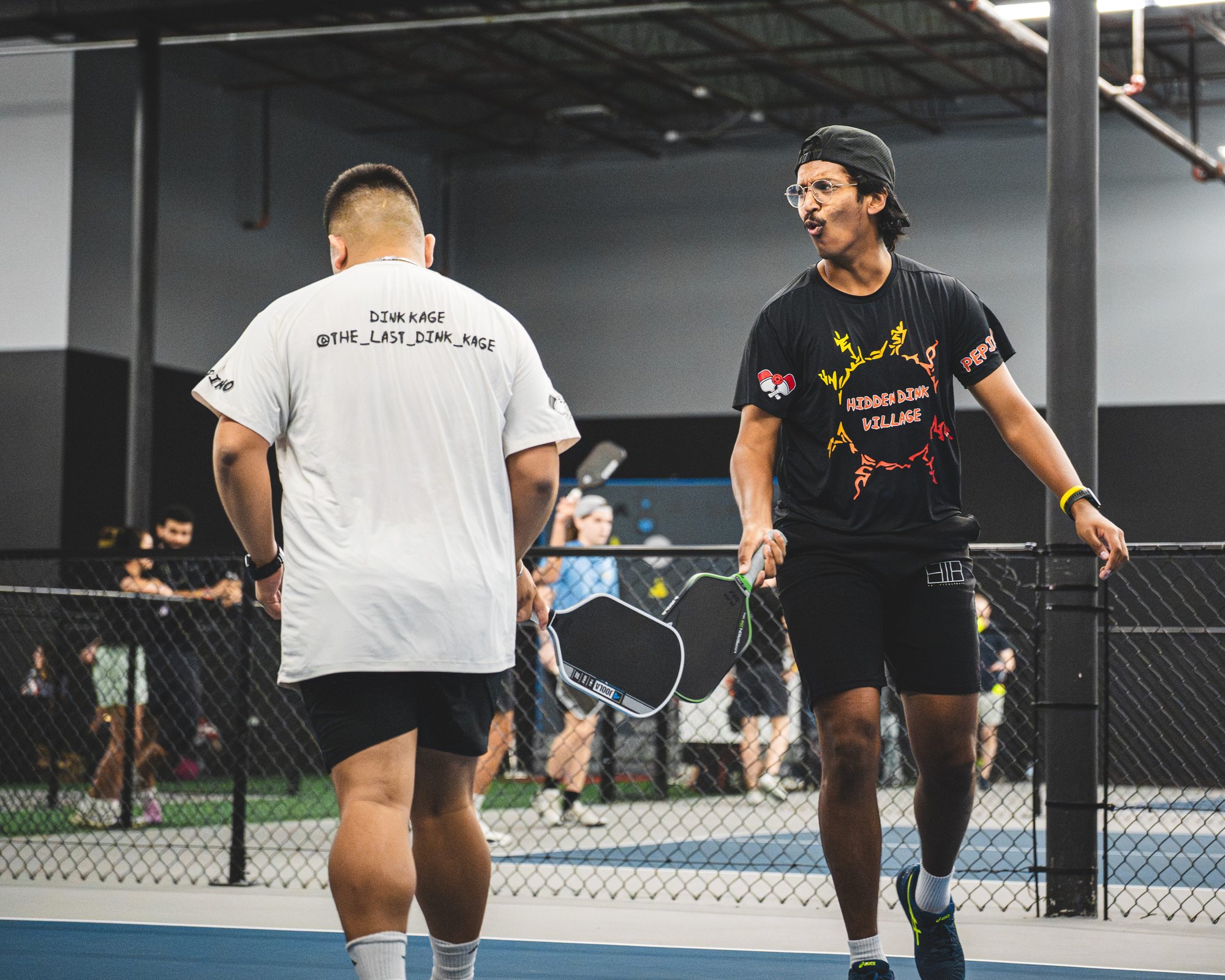
Lighting matters mightily in a facility like Era. I’ve learned that the kind of light you have on the court can influence how you see the ball and how your timing feels in a match. Era uses a blend of overhead LED fixtures that cast a bright, even light with minimal glare. It isn’t harsh, and it doesn’t create hot spots on the court where a ball might disappear for a breath or two. If you’ve ever played in a gym where the lighting seems to alternate between dull and dazzling depending on where you stand, you’ll appreciate Era’s steady look. In practice, I’ve found that the easiest way to test this is to watch a fast volley during a late-session open play block. If your eyes don’t strain and you’re still tracking the ball clearly, you’ve found a good balance—and Era typically hits that balance.
The floor is another critical element. A good indoor pickleball court surface should offer a reliable bounce and enough friction to keep players from slipping during quick direction changes. Era’s floors have a smooth finish that feels forgiving under foot yet firm when you step into a drive shot. The top layer isn’t so slick that you fear a pivot, but it’s not so rough that your ankles protest after a long session. The midafternoon sun through the gym’s windows can shift the perceived color and brightness, but the flooring holds its standard texture throughout the day and into the evening. That stability makes it easier for players to calibrate their footwork and trust their timing in rallies.
Adopting the right mindset on Era’s courts is part of what makes the experience unique. Indoor pickleball, by nature, rewards players who bring focus and rhythm, the ability to read the court, and a willingness to adjust shot selection in the moment. Within Era’s walls, you’ll find players ranging from brand-new beginners to seasoned regulars who keep a steady stream of smart shots in play. It isn’t just about winning a match; it’s about the feel of a well-executed rally and the camaraderie that grows around it. These features create an environment where you can practice specific skills with intention, whether you want to improve your dink game, work on your kitchen movement, or sharpen your serve return during a quick afternoon session.
Getting on the schedule and finding your people
Era’s indoor courts are built around a practical rhythm—open play windows, coached clinics, and organized leagues that map well to a busy adult life. If you’re new to Era, the simplest route to regular play is to pin down the weekly open play windows and then plan around clinics that fit your level. The staff can help you identify the right time blocks and point you toward drills and drills that suit your development stage. From my perspective, the most valuable part of this system is predictability. When a week looks like this, you can plan your practice around a few core goals: sharpening your dink skills, building court positioning for doubles, and practicing your serve strategies against different return types.
One recurring theme I’ve observed with new players is the mindset shift that comes with joining a club or a league. At the outset, you might view the sport as casual recreation, and Era’s indoor courts accommodate that well. Over time, though, you’ll see that the true gains come from consistent practice and intentional competition. The leagues at Era provide a clear path to progress, with structured formats that keep your game honest and focused. The social side should not be underestimated either. The same players who share a bench and swap witty observations about drop shots often become the people you trade drills with and the partners you trust in tight rallies.
If you are considering membership, you’ll soon realize the value is about more than access. A membership opens a cadence of recurring play times, reserved court blocks for practice, and discounted entry to events. In my experience, the difference between casual drop-ins and a membership is more about momentum than marginal cost. When you know you have a block set aside every week and you’re building a rhythm with a small group of players, you’ll see improvement in your consistency and confidence on the court. The cost structure can vary by season and demand, so I recommend checking Era’s current membership options and weighing them against how often you plan to play or train.
A practical guide to making the most of indoor practice
Indoor pickleball is as much about technique as it is about the discipline of showing up. The court dimensions stay the same, but your preparation and mental approach shift a little when you know you’ll be playing indoors for a couple of hours. The ball travels at a predictable pace on Era’s indoor courts, which means you can tailor your practice to maximize efficiency. If you keep a mental checklist on your way to the gym, you’ll find that you can compress a lot of improvement into a single session without turning it into a grind.
One practical approach is the following routine, which I’ve used successfully with players across different skill levels. Start with a 10-minute warm-up that includes light jogging, arm circles, and a few soft hits along the kitchen line. Then move into a 15-minute drill block focused on dinking. The idea is to slow the pace, work on depth, and keep the ball low and within your opponent’s reach. After that, devote 20 minutes to return of serve patterns in doubles. Start with your partner serving to a cross-court pattern and then rotate to a down the line option. Finish with 15 minutes of baseline rallies with consistent placement, paying attention to your footwork and pivot timing. If you find your energy waning, you can allocate a shorter cool-down that includes static stretching for the calves, hamstrings, and hip flexors.
For those who want to push a bit harder, Era’s coaching staff offers clinics that dive into strategy. You’ll hear coaches discuss shot selection for different rally lengths, how to identify attackers versus waiters, and ways to manage energy across a long match. These clinics are practical and grounded in real-world play, not theoretical exercises that only look good on paper. The coaches emphasize the importance of reading your opponent’s tendencies and adjusting your plan as the rally evolves. This is where the indoor environment becomes valuable; the consistent lighting and floor texture give you a stable platform to test and refine your reactions and control.
Equipment and gear that actually helps
You don’t need a long list of gear to enjoy Era’s indoor courts, but there are a few items that can dramatically improve your comfort and performance. The most essential pieces are comfortable court shoes with good lateral support, a paddle that fits your grip and weight preference, and a breathable athletic shirt that wicks sweat without sticking to your skin. If you’re new to the sport, you might be surprised at how different paddles feel on similar shots. Some players favor a slightly heavier paddle for stability on drives, while others prefer lighter options for quicker reflexes at the net. Try a few during a guest session or a trial program, if possible, to get a sense of what you prefer.
Etiquette and the social fabric
Era is as much a social space as a sporting facility. The etiquette you’ll encounter is straightforward: respect the court time allocations, keep voices at a considerate level, and be mindful of players who are in the middle of a high-intensity rally. The atmosphere is inviting, and the staff fosters an inclusive vibe. If you’re returning from an extended break or if you’re new to the sport altogether, you’ll find that most players are willing to share tips and demonstrate tech- or strategy-related adjustments that can help you climb a level more quickly. A short, friendly exchange after a rally can be just as valuable as a longer coaching session, especially when you’re trying to internalize a new shot or movement pattern.
Two practical checklists to help you optimize your Era experience
What to bring to Era Pickleball
- Proper court shoes with good grip and support
- A paddle you are comfortable with, plus a spare if you like to experiment
- Comfortable, breathable clothing suitable for a workout
- A water bottle and a towel for quick refreshes between games
- A light bag or pouch to keep smaller items organized
Membership and program options at a glance
- Flexible seasonal memberships that grant regular court time and access to clinics
- League entry with structured schedules and clear advancement tracks
- Coaching packages that focus on specific skills like dinking or serve returns
- Drop-in play blocks for players who want to keep it casual
- Special events and round-robin nights designed to maximize match play
These lists are compact on purpose because Era’s strength lies in consistency, not clutter. When you combine a stable indoor surface, reliable lighting, and a community that treats the sport with both seriousness and warmth, you’ve built a setting where players can measure real improvement. It isn’t about a single flashy feature; it’s about a suite of well-thought-out details that come together to create a daily practice environment you can count on.
Personnel, programs, and community connections
The staff at Era Pickleball plays a big part in shaping daily life for players. They manage court assignments and walk the floor with a practical calm that makes it easy to plan your next steps, whether you are booking a clinic or asking a quick question about a new drill. In my experience, the most helpful conversations occur when you approach staff with a clear objective rather than a vague request. If you tell them you want to improve your third dink shot in a particular drill, they’ll tailor suggestions that align with your current level while steering you toward small, achievable improvements. That kind of responsiveness is what turns a good indoor court into a place you want to return to.
The community aspect is the hidden value. Era’s indoor courts attract people who share a genuine curiosity about the sport, and that curiosity translates into practice partners, friendly rivalries, and a sense of belonging that keeps players showing up even when life gets busy. You’ll notice that players tend to become familiar with one another’s strengths and preferences. This familiarity makes doubles play feel smoother and more intuitive because you’re not guessing your partner’s moves in the critical rallies near the net. The social fabric is not an afterthought; it’s a meaningful part of the experience that enhances learning and enjoyment.
Outdoor options and how they compare
Era Pickleball also offers outdoor courts for those days when you want a change of scenery or when the weather makes indoor play less appealing. Outdoor courts can be a nice complement, especially in temperate seasons, but they bring some trade-offs. You’ll encounter different wind conditions, which can make the ball behave unpredictably and require more on-the-fly shot selection. The surface is typically different from the indoor courts, which means the bounce can feel heavier or lighter depending on the material and the moisture in the air. If your goal is structured, repeatable practice that translates cleanly to match play, indoor courts have the advantage of control. If your aim is to train your hands and eyes to adjust to variable conditions, you might find outdoor play a valuable supplement.
You’ll often see players moving between the two settings to maintain a well-rounded skill set. In terms of logistics, the outdoor courts at Era follow a seasonal rhythm; some months feature peak availability and longer daylight hours, while other times are more constrained due to weather, maintenance, or event scheduling. When you align your practice plan with both environments, you can keep your footwork and shot selection sharp across conditions. The key is to treat outdoor sessions as a different skill layer rather than a direct replacement for indoor practice.
A few thoughtful investments for the long term
If you’re serious about growing your game at Era, a few strategic investments can pay off. Consider a paddle that aligns with your grip size and play style, even if it costs a bit more up front. The feel of the paddle in your hand can change your confidence and tempo on the court, particularly during net exchanges where precision matters. A quality pair of court shoes is equally important; indoor surfaces demand grip and stability without compromising ankle support on quick pivots. If you can, set aside a small budget for coaching sessions early in your playing timeline. A handful of targeted clinics can shorten the learning curve and accelerate your ability to translate technique into reliable rally outcomes.
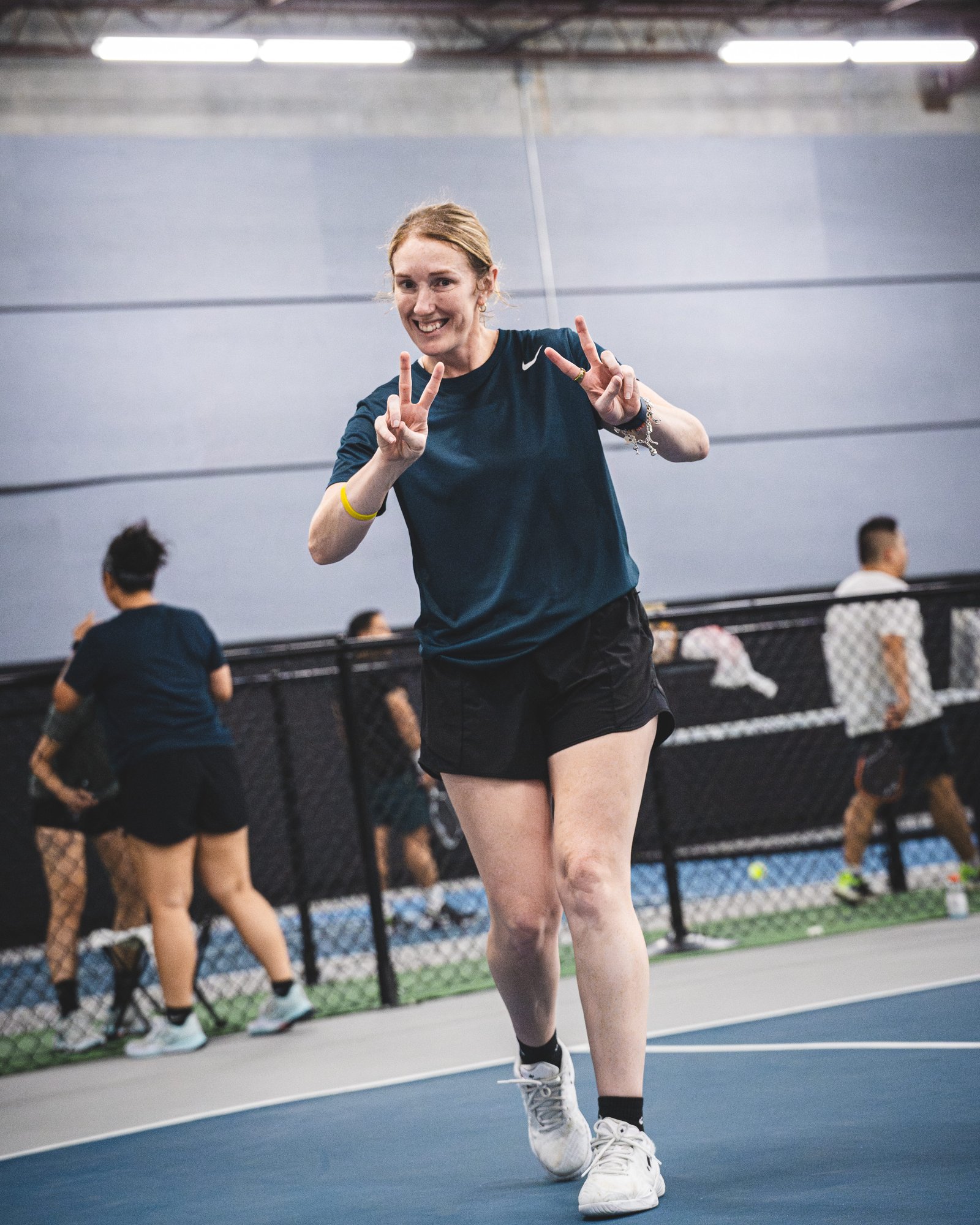
Time, patience, and the right community matter as much as equipment. Era’s indoor courts provide a structured, supportive environment in which players can grow. With consistent practice blocks, thoughtful play, and the social fabric that comes with a dedicated pickleball club, you can expect your skills to advance in meaningful, measurable ways. The real payoff comes when you start to recognize the moment when your reaction time feels quicker, your shot selection becomes more deliberate, and you begin to trust your movement across the entire court even when the pace picks up.
Final thoughts from the court
If you’re weighing whether Era Pickleball is the right place for your indoor game, the question isn’t only about whether the courts meet the official rules or whether the facility looks polished. The real answer is about consistency, community, and the daily ability to show up and practice with purpose. The indoor courts at Era have a cadence that suits players who want a reliable home base for their training and a friendly environment that makes the sport approachable for newcomers. It’s a place where you can watch your dink game mature and your serve return tighten, where you can test new strategies in a controlled setting, and where you can share a post-match conversation that makes you want to come back tomorrow.
In the end, the value of indoor pickleball at Era isn’t just a count of games played or drills completed. It’s a routine that supports your goals, a community that welcomes you regardless of your starting point, and a facility designed to minimize the friction that so often interrupts a good practice session. If you’re asking the right questions—How does the court feel under my feet? Can I get enough practice between commitments? Will I meet players who push me to get better?—Era’s indoor courts provide clear, practical answers. They offer a venue where your progress can be measured in small, repeatable steps: a more accurate dink, a steadier return, a steadier hold at the kitchen line. And they offer a place to savor those moments when a rally finally clicks and a shot you’ve been chasing lands exactly where you want it.
If you want to explore the indoor experience at Era, you’ll find a straightforward path: visit erapickleball.com to review current court availability, membership plans, and upcoming clinics. The site is a good compass for what the next few weeks could look like for your game. But the real navigation happens on the court itself, where practice, persistence, and a community that shares your enthusiasm converge into real, tangible improvement. That’s the essence of Era Pickleball’s indoor courts, and it’s what keeps players returning, session after session, year after year.