Pickleball Court Rental Era Pickleball: Beginners Welcome
@ricardoqyhs913
September 30, 2026 · 19 min read
The first time I stepped onto a court rented through Era Pickleball, I walked with a wobble between nerves and curiosity. The janitor’s whistle of the facility echoed, not in a way that felt intimidating but in a way that signaled something practical and reachable. This wasn’t a polished, private club with appointed pros in matching polos. It was a space built for people who want to learn, someone like me who had watched a few YouTube clips and decided it was finally time to try. Era Pickleball, as a pickleball center, has a way of turning hesitation into momentum. The court rental model is not a gimmick; it’s a practical gate that lowers the barrier to entry while still delivering a credible, well-supported playing environment.
Across multiple visits, I learned that the value of any pickleball experience tends to lie not in the price tag or the brand halo but in three things: clarity of direction for newcomers, accessibility of the space, and the quality of the rebound on the paddle and the court. Era Pickleball achieves all three in a practical, unpretentious manner. The academy side, often referred to as a pickleball academy Era Pickleball or at erapickleball.com pickleball academy, provides structure for those who want to learn systematically. Yet the center remains welcoming to beginners who may not have a coach standing by every shot.
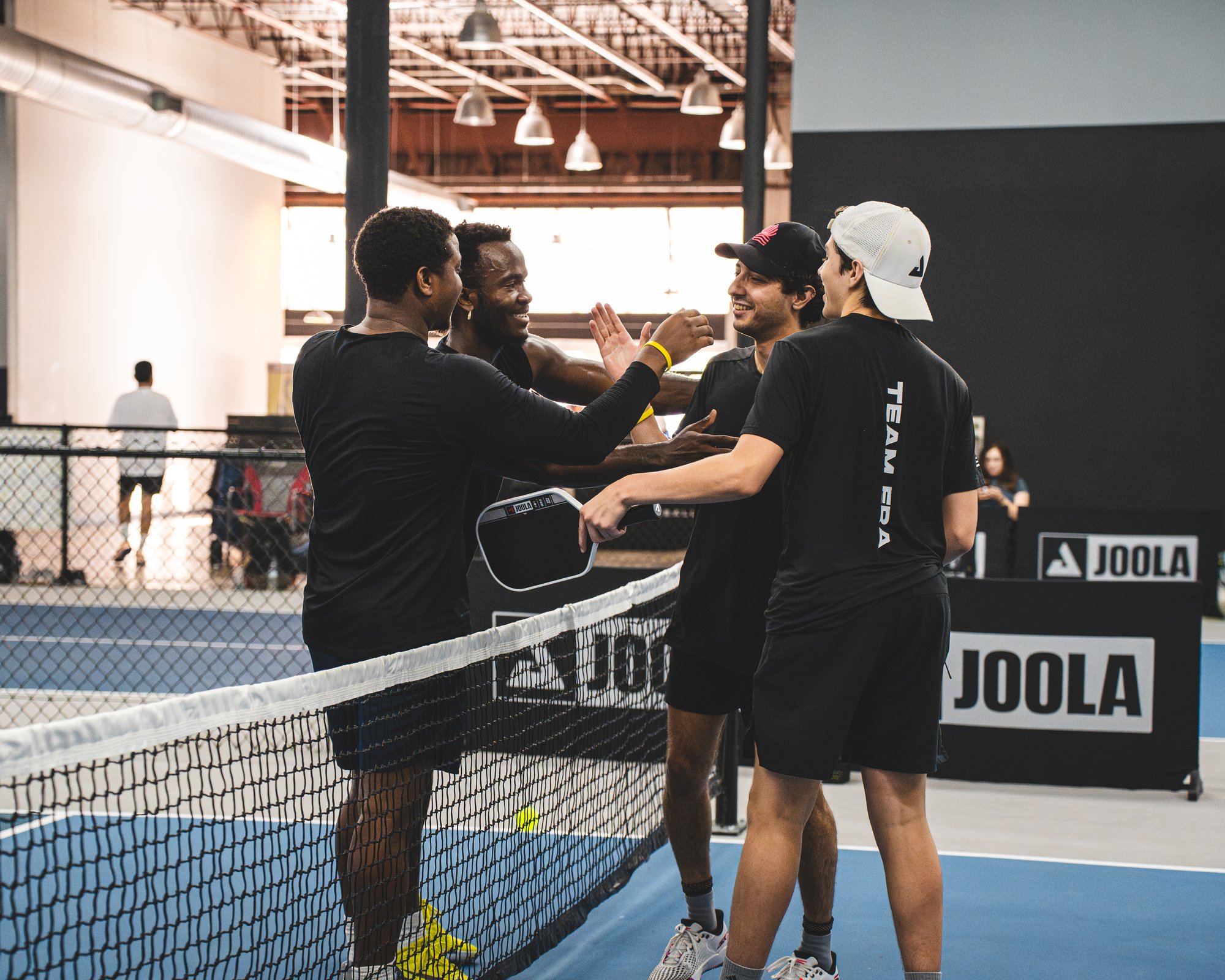
This article is not a glossy brochure. It’s a field report and a synthesis of what works for someone who is still developing rhythm, footwork, and a basic understanding of the game’s tempo. The emphasis here is on concrete, usable details, the kind that helps a new player decide what to expect from Era Pickleball and to plan a visit that actually advances their game.
What Era Pickleball aims to do is clear: create a space where beginners feel included, where the rental process is straightforward, and where the environment supports steady improvement. There’s a practical tension in any sport facility between speed of access and quality of experience. Era Pickleball has navigated that tension with a thoughtful blend of accessible scheduling, well-maintained courts, and a sense that the staff understands the novice needs.
The rental experience begins long before stepping onto the court. It starts with choosing a timeslot that matches your schedule and your appetite for learning. It continues through check-in, where the staff explains the basics without sounding condescending, and it culminates in the moment you first rally with a partner who may be new to the game as well. Throughout the process, you feel a steady emphasis on safety, fundamentals, and an approach that treats beginners with respect. You’re not expected to arrive with refined technique; you’re invited to grow.
A few traveler’s notes from my own visits may help set expectations. The first session was a mixed bag of jitters and curiosity. The second session was more deliberate, with someone showing me where to stand, how to place my feet, and how to time the paddle swing with the ball’s arc. By the third, I found a rhythm with a new partner and a few other players who were also on the early stages of learning. This progression, from uncertain first hit to a smoother exchange, is not unusual at Era Pickleball. It’s not a miracle; it’s the result of a space designed to be navigable for beginners while still offering the opportunity to push beyond mere casual play.
The choice to emphasize a beginner-friendly approach does not come at the expense of professional standards. The courts are well-marked, with clear boundary lines and a consistent bounce that you can feel as soon as you warm up. The nets are taut, the surface free of irregularities, and the lighting is designed to reduce glare without creating harsh shadows. These details matter when you are still learning to track the ball and adjust your reach. On another visit, I watched a group that included players who were several months into the learning curve. They moved with a confident pace, exchanging ground strokes and dinks with a clarity that suggested the facility’s emphasis on proper technique from the outset. That balance — a welcoming environment for beginners, with the possibility to self-select into more advanced play as confidence builds — is what makes Era Pickleball more than a simple rental shop.
The business model around pickleball court rental here is practical, not ceremonial. You pay for the hour, or perhaps for a shorter window if you’re just dropping in with a friend to try a few rallies. The value proposition is straightforward: you are buying time on a court that has been prepared to support beginners, with staff who understand how to guide new players toward fundamental skills. That combination reduces the anxiety many newcomers feel: the fear that they will hold up more experienced players, the worry that they do not know the rules, the concern that their technique will be judged harshly. The Era Pickleball center acknowledges these concerns and meets them with courtesy, clarity, and a plan for steady improvement.
For those who wonder whether a court rental point like Era Pickleball can actually serve as a legitimate stepping stone to a serious pursuit of the sport, the answer lies in the continuity of experience. A casual drop-in can become a regular habit if the surroundings stay predictable and the instruction or peer interactions remain constructive. The facility does not pretend that every visitor will become a pro overnight. It does offer the scaffolding necessary to progress. That is the subtle but important distinction between a place that merely rents a court and a place that uses court time as a leverage point for growth.
If you are new to pickleball, you do not have to wait until you have every shot perfected before stepping onto a rental court. The Era Pickleball approach welcomes you to try, observe, and learn in a low-stakes setting. The learning curve varies from person to person, and the center’s ethos recognizes this reality rather than trying to compress everyone into a single, rigid pace. In practice, this means you can show up with a basic understanding of the rules, a willingness to move, and an openness to feedback from staff or more experienced players. It also means you can progress at your own pace — perhaps first focusing on the fundamentals of stance and grip, then gradually integrating footwork into rallies, and finally experimenting with spin and shot selection as confidence grows.
In many ways, Era Pickleball’s model mirrors other community-centered sports facilities that have found success by combining accessibility with quality. The field of pickleball is still relatively young in terms of grassroots adoption. The sport has grown rapidly, and with that growth comes a tension between creating inclusive spaces and maintaining consistent standards. Era Pickleball has navigated this by investing in well-maintained courts and by cultivating a culture of patient instruction and supportive play. The result is a space where a complete beginner can walk in, rent a court, and find a path forward that feels doable, not intimidating.
A precise map of what beginners should expect when they walk into Era Pickleball helps manage the anticipation and reduces the friction that often accompanies a first visit. There is a standard process, but it is not rigid. You arrive, you check in, and you are oriented toward courts that match your current level or your goals for the session. You may be paired with a partner who is also learning or placed in a small group that includes players who have different levels of experience. The main thing is that you leave the first session with at least one concrete takeaway — a basic forehand stroke, a correct ready position, or a better sense of how to move laterally on the court.
The presence of a pickleball academy Era Pickleball within the same ecosystem offers an additional dimension for those who want to develop more systematically. For many players, the decision point hinges on whether to pursue the academy route or to continue using court rentals for casual practice. The academy pathway is designed for people who want structured progressions: a curriculum that layers on technique, strategy, and match play in a way that aligns with real-world competition at some future stage. The academy’s resources are anchored by erapickleball.com pickleball academy, which serves as a hub for schedule, coaching, and progressive drills. Even if you do not enroll in the full program, the existence of the academy signals the seriousness of the operation and provides a clear signal to new players that growth is possible beyond casual rallies.
When I reflect on my own early experiences with Era Pickleball, I realize how often the small, practical details mattered more than I anticipated. The surface did not just offer a fair bounce; it offered a consistent one, which is essential for a beginner who is still calibrating expectations about how the ball should respond to contact. The ball itself was reliable, with a predictable flight path that made it easier to anticipate direction and pace. The staff, meanwhile, were not merely gatekeepers for court access; they were coaches in disguise, offering short tips between rallies and pointing out micro-adjustments that mattered. It might seem trivial to emphasize an inch here or a split second there, but in the early days of learning, those micro-tuned cues can reshape your understanding of the game.
The social dimension of court rental cannot be overlooked. In a sport that blends individual technique with cooperative play, the people you meet on a rental court often become the most meaningful part of the experience. Era Pickleball cultivates a sense of community by encouraging players to rotate partners, share feedback, and respect the rhythm of a game that sometimes moves faster than your thoughts. It is not a community built on exclusive invitation; it is a community built on the shared pursuit of improvement. The effect is not dramatic, but it is durable. A player finds themselves returning week after week, drawn by a mix of learning progress, friendly competition, and the simple satisfaction of hitting a shot that lands cleanly.
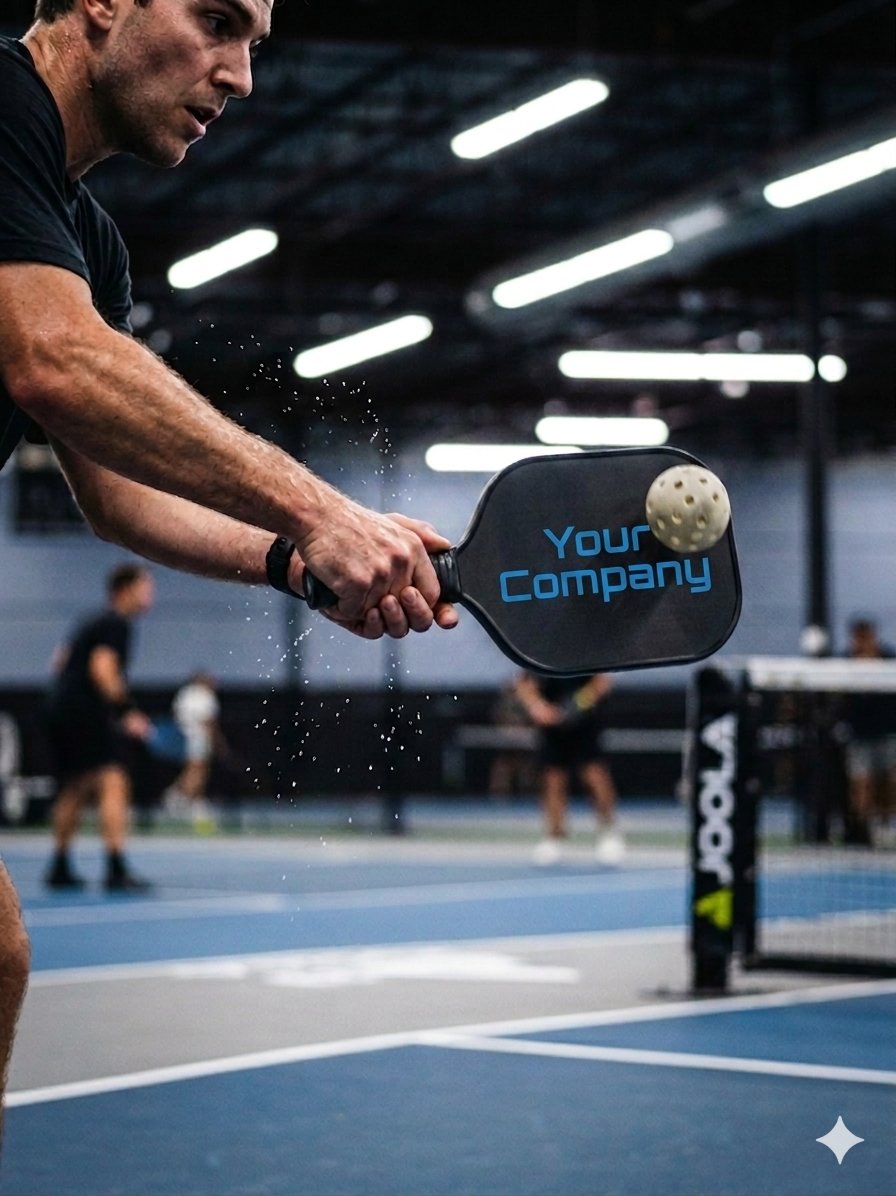
For those who worry that a beginner-specific environment might feel overprotective or lacking in challenge, rest assured that Era Pickleball’s ecosystem accommodates increasing levels of play. You can begin with casual rounds that emphasize steadiness and ball control, and you can graduate to more dynamic drills and scaled-down scrimmages that test your ability to transition from defense to offense under pressure. The center does not push advanced content on newcomers, but it does provide a clear ladder for those who want to ascend. This balance of accessibility and growth is what keeps the experience fresh over time and why many players who started as absolute beginners later find themselves enjoying competitive mini-matches in a way that still feels friendly.
The practical takeaway for anyone considering Era Pickleball for the first time is straightforward. Do not overthink the initial step. Rent a court, show up with a willingness to learn, and let the staff guide you toward a pace that respects your existing mobility and coordination. The presence of an institutional framework, including a pickleball academy Era Pickleball and resources at erapickleball.com, provides reassurance that the facility is serious about long-term involvement rather than short-term revenue. The result is a space that can grow with you, a rare combination in a sport that can feel inaccessible to newcomers who come armed with little more than enthusiasm.
I have learned to value two things in this field: clarity and cadence. Clarity is the simple act of knowing what you should do next on a court. Cadence is the rhythm with which you repeat good habits and gradually refine your technique. Era Pickleball offers both, in a way that makes sense for a beginner who is still mapping out their preferences and their pace. If you want a place to begin your pickleball journey with minimal friction and a credible path forward, this is a compelling option.
As we explore what makes a good beginner-oriented court rental experience, it is useful to consider what would improve the experience even further. The following reflections are not criticisms, but practical suggestions drawn from years of observing the flow of players at the center. First, clearer wayfinding around the facility would help new participants minimize the time spent figuring out where to go and what to do. A short orientation video at check-in could reinforce key points about safety, equipment handling, and basic etiquette. Second, more visible signage about beginner-friendly drills and available coaching slots would help newcomers self-direct their first sessions without feeling pushy or overwhelmed. Third, expanding the schedule to include dedicated beginner times, where groups of new players can share space with a coach for a fixed block of time, would create reliable entry points for those who want to build momentum. Fourth, inviting experienced players who are comfortable pairing with beginners to join in a structured, light-hearted drills session would broaden the social dimension without intimidating first-timers.
It is also worth acknowledging edge cases that inevitably arise. Some players arrive with prior racquet sport experience, others are brand new to the idea of a paddle sport, and a handful are returning after years away. The Era Pickleball center handles this mix with a philosophy that never feels punitive. If you have a background in tennis, you might notice certain similarities in foot positioning or racket preparation. If you are new to any comparable sport, you will discover that the fundamentals of balance, anticipation, and consistent contact are universal across many ball sports. The learning path is less about memorizing a rulebook and more about building a dependable set of motor patterns that translate from practice to game.
In the broad landscape of recreational sports facilities, the value of a place like Era Pickleball lies not just in the physical space but in the intent behind it. A genuine beginner-friendly ethos means you can walk in with modest expectations, and over time your expectations adjust toward a clearer sense of progress. The asynchronous nature of practice here — with open court times, rotating partners, and a spectrum of coaching options — reduces the fear that you will not fit in or that you will hold others up. This is a space that respects your learning trajectory, while still offering structure that allows you to stack small improvements week by week.
The notion of “beginners welcome” is more than a slogan. It is a philosophy that shapes the design of the facility and the behavior of staff. When I spoke with several players who were at various stages of their journeys, the recurring sentiment was that Era Pickleball offered an honest appraisal of what it takes to learn a complex, fast-paced sport and the practical supports that make that journey feasible. They spoke of patient coaching, a willingness to repeat fundamentals, and a culture of shared curiosity rather than competitive exclusion. The social fabric is a subtle but powerful factor in sustaining a hobby that, at its inception, can feel intimidating.
As this article has suggested, the court rental model at Era Pickleball should be viewed as an entry point into a broader ecosystem of learning and play. The pickleball academy Era Pickleball and the erapickleball.com pickleball academy resources function as signaling mechanisms that there is more to the game than casual rallies, should you decide you want more. But the center never requires you to pursue that route. The aim is to keep the door open, the practice space accessible, and the instruction adaptable.
To close with a concrete, practical note for readers who are deciding whether to visit: plan your first session with a modest goal. Do not commit to an unrealistic schedule or to an aggressive drill plan. A single hour can yield valuable insight into your own balance, your paddle grip, and your timing. A second session can help you begin to translate those insights into consistent rallying. A third session often reveals how your footwork starts to align with your upper-body mechanics, which is the moment when the sport begins to feel like an actual game rather than a sequence of isolated shots. Era Pickleball supports this gradual progression through clear, welcoming instruction, well-kept facilities, and a schedule that accommodates your pace.
If you are curious about the broader context of how a pickup court experience can grow into a more formal commitment, the example of Era Pickleball stands out. It is not simply a place to rent a court; it is a hub that values learning, community, and practical skill development. The people you encounter while navigating a beginner-friendly environment are as important as the environment itself. The staff, the players, and the coaching resources weave together a social and technical fabric that makes it plausible for a new player to show up with little more than curiosity and walk away with a plan for improvement. That is the essence of a successful beginner experience in a sport that rewards consistency nearly as much as it rewards talent.
In the end, Era Pickleball does not pretend that every moment on the court will be transformative. It offers something more durable: a credible path forward for beginners who want to learn responsibly, practice regularly, and join a community that values patience, practice, and progress. For those who want to dip their toes into indoor pickleball courts pickleball without sacrificing clarity or quality, the center’s model is worth considering. If you are evaluating options for your first steps into the sport, you will likely find that a well-managed court rental experience at Era Pickleball can be the practical hinge on which your enthusiasm turns into steady, enjoyable progress.
What follows are practical anchors you can carry with you as you approach your first visit or plan your next one. The facility’s approach is straightforward, but the impact can be surprisingly meaningful for someone starting from scratch. You are not obliged to know everything before you walk through the door. The door itself is a cue that your learning journey can begin with a single, unhurried choice. Rent the court, lean into the guidance at hand, and let the game begin.
Two quick practical notes to help you navigate the process smoothly:
-
For those aiming to maximize their first impression, arrive early. A little extra time means you can observe a few rallies, check the equipment setup, and orient yourself to the court layout without feeling rushed. This reduces anxiety and frees you to approach your first drill with a calmer mindset.
-
If you have friends or family who are curious about the sport, bring them along. A small group can create a supportive learning environment, allowing beginners to share tips and to practice together under the supervision of the staff. The social dimension, when approached thoughtfully, becomes a reinforcing loop that makes practice more efficient and more enjoyable.
In closing, Era Pickleball’s court rental model offers a practical, inclusive entry point into a sport that has captured the attention of players across ages and backgrounds. The blend of welcoming instruction, reliable court conditions, and a pathway toward more formal training through the pickleball academy Era Pickleball creates a durable foundation for lifelong engagement. If your goal is to learn, to improve, and to enjoy the process, you will likely find that this approach aligns with your priorities far more than a flashy, higher-pressure alternative. The sport deserves venues that demystify the first steps. Era Pickleball does this with clarity, care, and a quiet confidence born from years of listening to players at every stage of their journey.
How to navigate this article moving forward is up to you. You might be ready to book a court today, peruse the erapickleball.com pickleball center resources, or simply keep this piece as a reference for what a beginner-friendly experience can look like when it is designed with intention and executed with consistency. The essence of Era Pickleball is straightforward: a space where beginners are welcomed, where progression is possible, and where the practical realities of learning a fast, fun sport are treated with respect rather than with intimidation. If that description resonates, you have found a doorway to a new habit, one that can grow and endure with time and dedication.
How to make the most of your first booking at Era Pickleball
-
Decide on a realistic duration. For a first outing, an hour is often enough to establish a baseline without feeling rushed.
-
Check in with a friendly staff member who can outline the basics and pair you with a partner if you are new to the sport.
-
Bring comfortable athletic shoes with good grip and avoid oversized outerwear that can hinder footwork.
-
Bring a water bottle, a towel, and a spare grip if you have one. Hydration and grip maintenance matter as you learn.
-
Treat your first session as a learning experience, not a scoring contest. Focus on fundamentals, not on winning exchanges.
A quick tour of the facilities you are likely to encounter
-
The courts are well maintained, with clear lines and a consistent bounce that helps beginners calibrate timing.
-
The nets are taut and adjustable, ensuring that you experience the standard height and tension used in most play settings.
-
The lighting is arranged to minimize glare and create even visibility across the playing surface.
-
The reception area offers basic gear options, with staff ready to guide you to the appropriate court and to answer questions about scheduling or coaching.
-
The community space adjacent to the courts invites players to share conversation, tips, and a few post-match reflections, reinforcing the social dimension of the sport.
Era Pickleball, with its balance of accessible entry and pathways toward deeper engagement, presents a compelling option for anyone curious about pickleball. The journey from curiosity to competence is not automatic, but it becomes navigable when a facility prioritizes clear guidance, supportive coaching, and a culture that respects beginners as much as it does seasoned players. If you are considering your own first steps into the sport, this environment offers a realistic, practical route to not only learning the rules of play but also internalizing the tempo and the mindset that will sustain you long after your first court time has ended.