pickleball coaching erapickleball.com: Group vs Private Coaching
@ricardoqyhs913
September 30, 2026 · 17 min read
The first time I watched a beginner pick up a paddle and wobble toward the ball like a kid chasing a butterfly, I learned a simple truth about coaching. It isn’t about pushing technique in a single moment. It’s about guiding a learner through a sequence of small, tangible wins that build confidence and keep them coming back. At Era Pickleball, coaching is less about delivering a single formula and more about shaping a path that suits every player’s timeline, goals, and reality. Whether you opt for Group coaching or Private coaching through era pickleball.com, you’re signing up for a process that fuses technique, strategy, and the practicalities of life on the court.
This article dives into the heart of coaching texture at Era Pickleball. You’ll find a grounded look at how group dynamics influence learning, what private coaching can unlock, and the edge cases that determine the best fit for different players. The goal is not to prescribe a single right answer but to illuminate the trade-offs so you can choose with clarity and confidence.
A practical mindset for coaching choices
On a busy weekday afternoon, the pickleball courts at our facility hum with energy. Players arrive with varying degrees of familiarity: some have just learned the serve, others glide through drills with a calm, practiced rhythm. The cadence of a session matters as much as the content. Group coaching creates a shared arc that moves many players toward common milestones. Private coaching tailors that arc to a single athlete, sequencing drills around personal strengths, weaknesses, and time constraints.
In my years coaching with Era Pickleball, I’ve learned to tune the emphasis of a session to three anchors: fundamentals, decision making, and game feel. Fundamentals anchor the limb and paddle through consistent routines. Decision making translates technical moves into usable options in real time, so players stop defaulting to guesswork. Game feel embodies the tune of a match—the tempo, the breath, the balance between risk and control. These elements appear in both group and private settings, but the way they surface and the pace at which players absorb them vary.
Understanding the different modalities helps a player align expectations. If you crave rapid, personalized feedback, a private session with era pickleball coaching can compress your learning curve. If you value social learning, accountability, and the chance to observe other players while refining your own game, group coaching offers a compelling path. Both routes can lead to meaningful improvement, and a well-designed program might even blend both approaches over a season.
Group coaching: the power of shared energy and structured progression
Group sessions cultivate a social energy that can accelerate learning in subtle, consequential ways. When players watch others execute a shot correctly, they notice micro-moments they might miss in isolation. One participant might notice foot placement on a drive while another sees the angle adjustment necessary to keep a drop shot deep into the opponent’s court. In a well-facilitated group, those micro-awarenesses become collective knowledge, a shared vocabulary that elevates everyone.
An important advantage of group coaching lies in the rhythm of practice. A series of drills is designed to hit a target across a spectrum of skill levels. Beginners learn by observation and repetition, and intermediate players gain confidence by refining variations on a core technique. The momentum created by a group can be astonishing. You show up, you practice, you see progress, you get hungry for more. That cycle often translates into more consistent attendance and better retention, particularly for players who enjoy social dynamics on the court.
From a tactical standpoint, group coaching often emphasizes patterns and decision trees. Coaches structure sessions around predictable game states: return of serve patterns, transition to net, crosscourt drives, and the strategic balance between attacking and defending. The advantage here is a concrete framework that players can internalize and apply automatically in matches. There is also a practical benefit: cost efficiency. When a class accommodates multiple players, the per-person price drops without diluting the quality of instruction. For families or clubs seeking regular, accessible pickleball training, group classes can be a reliable backbone.
Yet group coaching has its limits, and those limits shape who benefits most from this format. The diversity of skill in a group means a portion of time is spent addressing the needs of the lower end, while higher-level players may crave more nuanced feedback on specific situations. The tempo of a session is another consideration. If the group contains a few players who learn quickly and others who need more repetition, the coach must strike a balance between pushing the pack forward and looping back to ensure everyone is building correctly. In practice, successful group coaching uses tiered drills and parallel activities, where players work on similar mechanics at different intensities. The result is a shared sense of progress, even as each player’s path diverges slightly.
Private coaching: precision, customization, and rapid feedback loops
Private coaching exists to shrink the distance between where a player is and where they want to be. It is an apprenticeship in a single body, one with specific strengths, quirks, and physical realities. When I work with a private client, I look for two things early: where the body naturally lands in a rally, and what decisions tend to Era Pickleball era pickleball trip them up under pressure. Perhaps a player has a reliable backhand but struggles with court positioning when the pace of the rally increases. Or maybe a student has excellent touch at the net but hesitates to mix in a decisive drive from the baseline. In private sessions, we map a progression that directly targets those patterns.
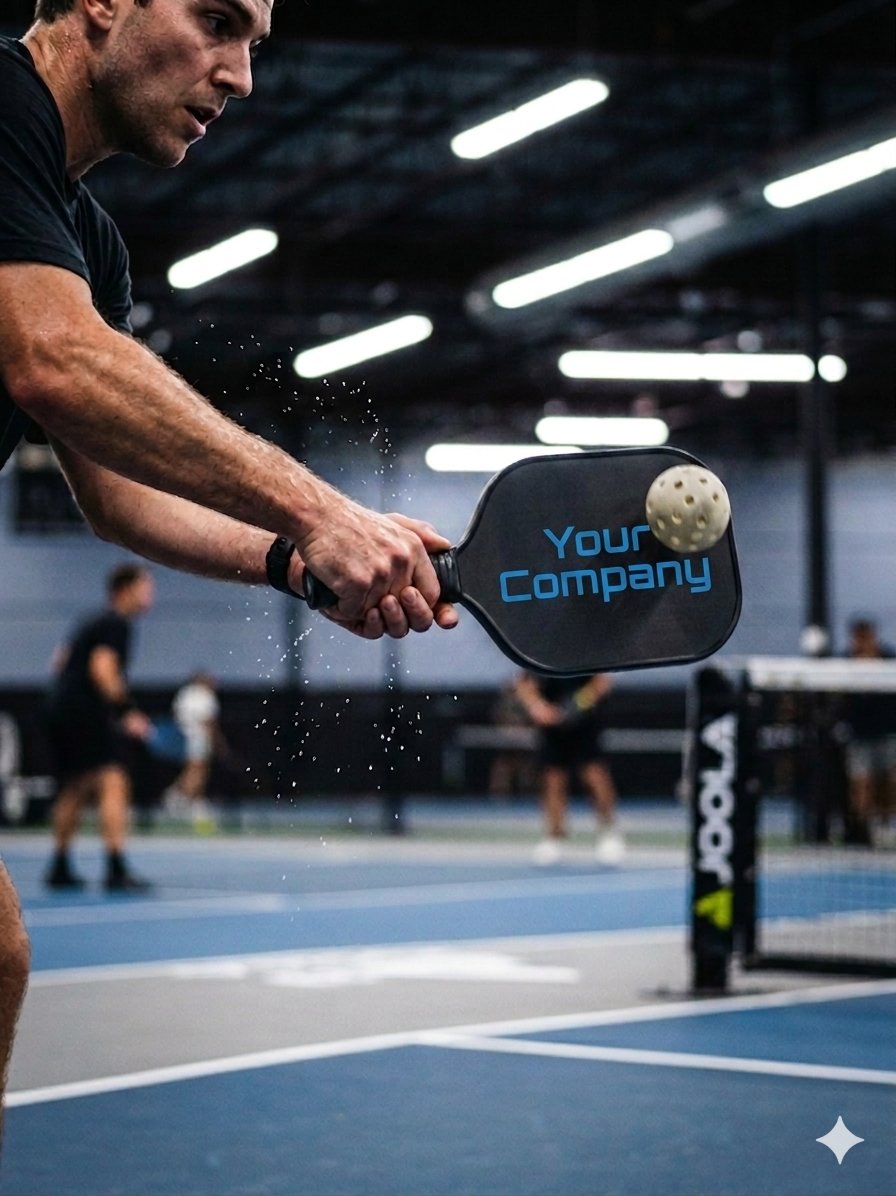
Feedback in private coaching is immediate and highly contextual. We can stop after a misfired shot and dissect the exact footwork misstep, the angle of the paddle, the body rotation, and the point of contact. The learner gets a micro-lesson aligned to what they are currently doing, then tries a corrected motion right away. That immediacy reduces the cognitive load of translating general advice into action. The learner does not need to filter through peers to interpret a cue. They simply try, adjust, and feel the result in the following rally.
The pacing of private coaching is deliberately adjustable. If a player is returning from an injury or managing a busy work schedule, sessions can be short, focused, and highly efficient. Conversely, if a player is hungry for a total skill overhaul, the coach can design a longer, deeper campaign that cycles through mechanics, patterns, mental strategies, and match-practice. The flexibility of private coaching is what makes it attractive to players who want maximum return on every minute spent on the court.
However, private coaching requires a higher commitment of time and money. It is not merely a substitute for a group session but a dedicated investment in the person’s game. For some players, the payoff is substantial—a clear lift in consistency, a sharper understanding of opponent tendencies, and a stronger sense of control in tight moments. For others, the friction of scheduling and cost can be a deterrent, especially if progress feels incremental rather than dramatic. It is essential to weigh the price tag, the availability of qualified coaches, and the player’s readiness for sustained, targeted work.
A practical framework for choosing between group and private coaching
To decide between group and private coaching at era pickleball, start with three questions. First, what is the player’s current trajectory? If they are brand new to the sport or still building the basics, group classes offer a broad scaffold: fundamental strokes, serves, returns, and the rhythm of rallies. If the player already has a solid foundation and wants to break through specific plateaus, private coaching may be the faster route to tangible gains. Second, how does the learner respond to feedback? Some players prefer receiving comment after every rally and quickly integrate cues; others need time to test ideas in a semi-private or group setting before locking them in. Third, what is the practical reality of life on the court? Scheduling, travel time, and budget all shape the decision. A player with a demanding job and family responsibilities may find a well-timed group session more sustainable, while someone training for a tournament might justify several intensive private sessions.
The intersection of era pickleball classes and coaching philosophy
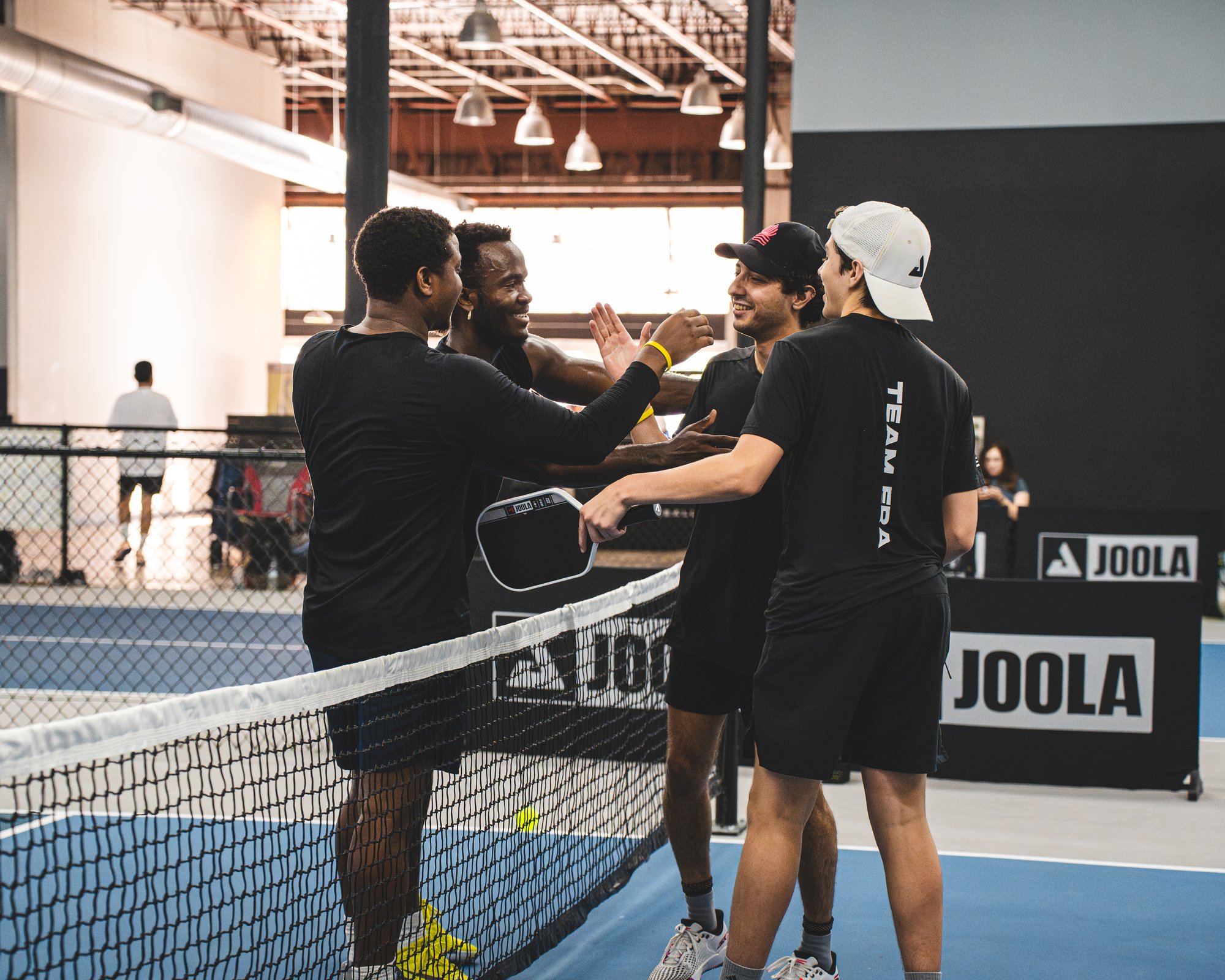
Era Pickleball’s approach to coaching blends technique with game sense, ensuring that every drill translates into match performance. Our pickleball training sessions are designed to cultivate automaticity under pressure. You want to reach a boundary where your service return transitions into a controlled rally without conscious thought about micro-steps. That outcome comes from deliberate practice, a principle we apply across both group and private formats.
In group settings, we build a culture of shared practice. The coach models a sequence of moves and players adopt and adapt. The social environment creates a sense of accountability that many learners need. In private sessions, we devote all attention to your body alignment, your timing, and your ability to apply a shot in a real game scenario. The two modalities are not opposing forces. They are complementary forces that, when used in balance, produce a robust, resilient game.
A practical field guide for prospective players
If you are contemplating era pickleball coaching and want a clear path to action, start with your goals. Do you want to learn the core strokes with precision? Are you aiming to play socially with friends or to compete at a higher level? Do you want to develop a reliable serve and return or a dynamic net game that creates pressure on your opponents? Your answers will shape how you approach coaching and how you allocate time and money.
For beginners, a foundation built in group classes is often the most efficient route. You gain exposure to the common language of pickleball, you learn to read opponents more quickly by watching peers, and you cultivate consistency in a supportive setting. The period of adaptation can be short but intense: a few weeks can establish the mechanics and the rhythm of practice that will carry you forward. If you are more comfortable with a steady, guided progression and have a target date such as a club championship or a local league, private sessions can accelerate your progress toward that milestone.
Another practical angle concerns the court environment. A well-designed group class at Era Pickleball uses multiple stations to maximize small group involvement. One area focuses on serve and return, another on dinking patterns, and a third on transition play. The coach floats between groups, offering selective feedback while the players practice in a cadence that feels like a well-run drill circuit. This structure keeps attention high and prevents the session from devolving into casual rallying with little instructional carryover. In private coaching, that same structure is built around you. We tailor the stations to your current needs, ensuring every minute of practice builds toward your personal game plan.
Real-world nuance: common roadblocks and how coaching formats address them
A frequent obstacle for advancing players is decision fatigue during a rally. The brain can freeze when the rally tempo increases, and the player resorts to safe but ineffective shots. Group classes address this by teaching decision-making frameworks that apply across many situations. The coach introduces patterns that reduce the mental load: if the ball is short and wide, we drive to the open court; if the pace is heavy, we reset with a controlled dink and a move to the net. Practicing these patterns in a group builds automaticity, so when the tempo spikes in a real match, the reaction feels natural rather than forced.
Private coaching tackles the same issue from a different angle. The coach observes the exact moment the decision process derails for you and then designs micro-adjustments that target your cognitive load. Maybe your shoulder alignment causes mis-timing on the backhand drive, or perhaps you tend to drift off the centerline during a crosscourt exchange. In a private session, we address such nuances directly, letting you experiment with precise changes and then immediately test them in live rallies. The insight you gain is highly personalized, which often reduces the number of practice hours required to reach a given level.
Another common barrier is injury management and long-term durability. For players returning from minor injuries or dealing with chronic issues, a coaching program must be adaptable. Group formats can still be valuable if a coach carefully sequences movements to minimize repetitive strain and includes ample rest breaks. Private coaching makes it easier to tailor every rep, ensuring that a player’s limitations are respected while still challenging them enough to progress. The key is a candid conversation about what you can and cannot do, followed by a plan that honors that boundary while still pushing for improvement within safe limits.
Practical pathways to maximize value from era pickleball coaching
To get the most from group or private coaching, you need a plan that respects your schedule and your ambitions. The best approach is often a hybrid one. Start with a short phase of group coaching to build fundamentals and social momentum. Then add private sessions focused on the specific blockers that appear once you have a baseline. This phased approach blends the accessibility of group classes with the laser focus of private coaching, giving you a steady sense of progress without overcommitting.
If you decide to pursue group coaching, prepare by identifying the core movements you want to master in the coming weeks. Bring a notebook to class and capture a few key cues that resonate with you. After the session, you should be able to recount three concrete adjustments you will try during the next practice. In a private session, come with a short but honest self-assessment. What is your biggest difficulty in live play? Are you losing confidence at a particular moment in the rally? The more specific your questions, the more effective the coaching becomes.
When considering price and scheduling, think long term. A month of group classes may cost less than a single private session, but private coaching can yield faster results if you have a defined tournament plan. For those balancing work and family, the flexibility of scheduling is crucial. Era Pickleball’s coaching program is designed to accommodate busy lives, with options for evening and weekend sessions, as well as short, intensive blocks during quieter weeks.
A note on the role of mindset in coaching
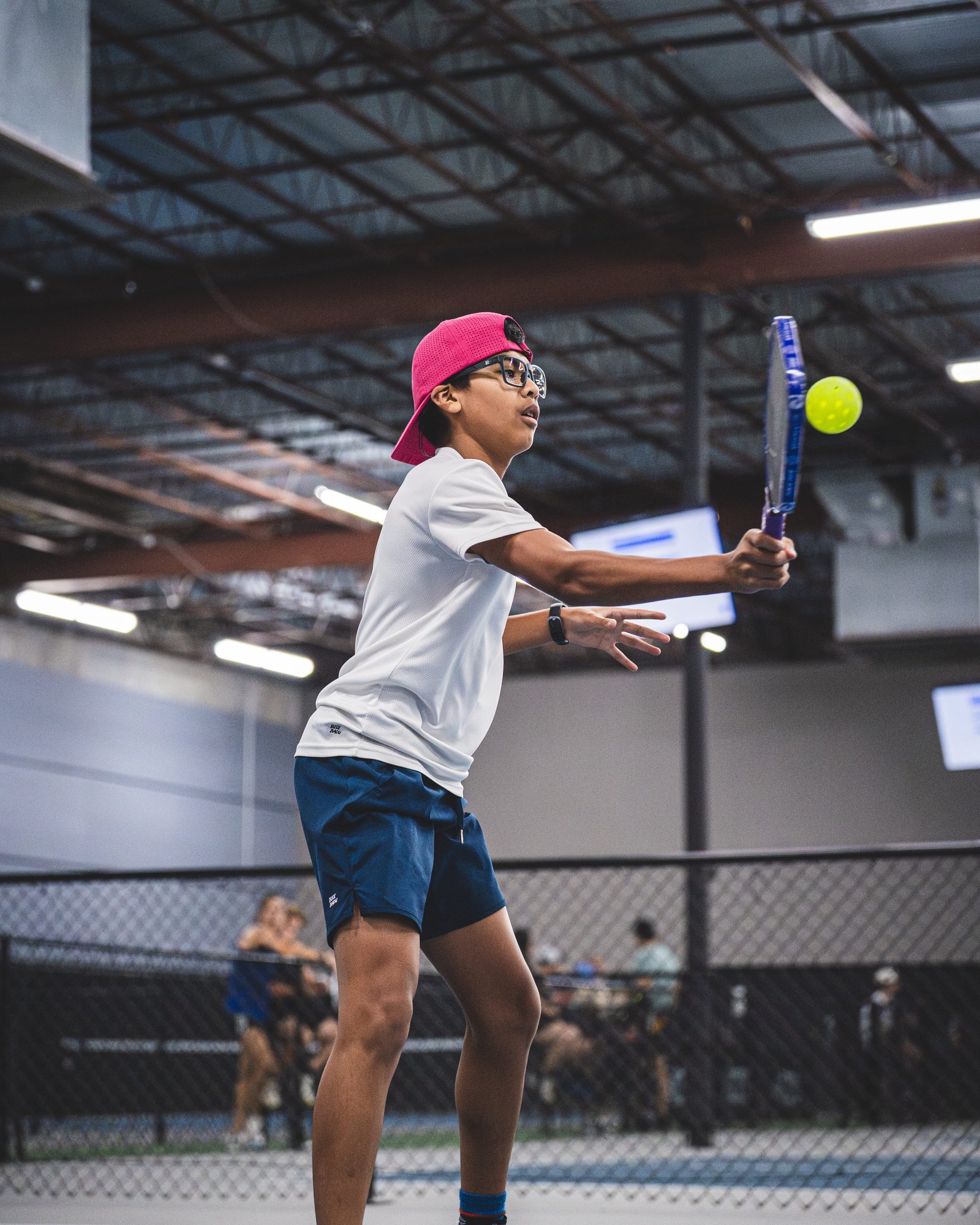
All coaching hinges on mindset. Players who approach practice with curiosity and a willingness to try new ideas tend to gain more from both formats. It helps to view errors as data rather than failures. Each mis-timed dink or misread serve is a chance to refine your mental model of the game. The best players keep feedback loops short, translate cues into tangible on-court changes, and then measure improvement by watching for a higher success rate in rallies. The mental component is not ancillary; it is a driver of your practical results.
The role of era pickleball training in building a durable game
Era Pickleball training emphasizes technique alongside tactical awareness. The coaching philosophy is practical rather than theoretical, focusing on the realities of how players move on the court, how they conserve energy over a long rally, and how they maintain balance when pressure builds. You’ll hear terms like split-step timing, paddle face control, and weight transfer used in a way that translates directly to your matches. The emphasis is on consistent technique that holds up under fatigue, not on flashy single-shot wins that disappear under pressure.
Two practical considerations for coaches and players
- Consistency over intensity: A steady, repeatable practice rhythm beats sporadic, high-intensity sessions that produce uneven development. The aim is to engrain reliable habits that survive a tough match.
- Realistic progression: Every player benefits from a plan that respects their current skill level and physical comfort. Pushing too hard too soon invites form breakdowns and frustration. A careful, staged progression yields better long-term results.
What players report about group versus private coaching
During a season of testing both modalities with athletes of varying ages and backgrounds, several patterns emerge. Group coaching offers a community that motivates regular attendance. Players report feeling supported by peers who share similar frustrations and incremental victories. They also appreciate the chance to observe different styles and learning tempos, which broadens their own tactical awareness. Private coaching, on the other hand, tends to deliver a sharper sense of progress. Players notice improvements in specific shots and decision making within a few sessions, as well as a clearer route toward tournament readiness.
No single blueprint guarantees success. The right answer for you depends on your goals, your schedule, and your comfort with feedback. The good news is Era Pickleball provides clear pathways to either route, and the team will help you design a plan that aligns with your life as much as your game.
Two concise lists to illustrate the structure and value of each approach
Group coaching advantages, five items:
- Shared learning energy that accelerates skill adoption
- Broad exposure to fundamentals and common patterns
- Cost efficiency per player relative to private sessions
- Observational learning from peers and coach feedback loops
- Consistent schedule that fits busy calendars
Private coaching advantages, five items:
- Highly tailored feedback and immediate correction
- Custom progression aligned to your specific goals
- Flexible pacing that suits your schedule and needs
- Customized drills designed around your injury history and physicality
- Fast-tracked improvement for tournament preparation
Bringing it all together: making the choice that fits your game
If you are buying into era pickleball classes, you are investing in a marketplace of expertise crafted to help you move forward. The choice between group and private coaching should start with your desired outcome. If you want a solid, reliable foundation that builds confidence through social learning and routine, group coaching is a powerful option. If you seek precise refinement of your mechanics and a fast track to a specific performance goal, private coaching through era pickleball.com is likely the better bet. The best experience often involves a blend across a season—begin with group work to establish process and habit, then move into private sessions to polish the last miles of your game.
A final thought about the coaching journey at Era Pickleball
Coaching is a journey that needs a credible partner, a clear map, and the willingness to show up and try. The moment a player realizes that a single adjustment can alter the feel of a rally is the moment the sport reveals its hidden richness. On the court, your mistakes stop feeling like failures and start feeling like information. With Era Pickleball, you have a partner who knows how to translate that information into actionable steps that fit your life. The result is not a miracle cure but a durable improvement that stands up to the pace of a real match, the chatter of a club, and the unpredictable rhythm of a weekend tournament.
If you are evaluating pickleball coaching options, take a moment to audit your current practice. Do you have a baseline routine that covers the core technical pillars? Are you able to translate a cue into an on-court movement without overthinking it during a rally? Do you have a plan that scales as your game grows? If the answer to these questions feels uncertain, you owe it to yourself to explore the coaching pathways offered by era pickleball classes and era pickleball training. The right choice will feel less like a bet and more like a strategic, well-supported investment in your game.
In the end, what matters is progress that sticks. Group coaching can lay down a sturdy, shared framework that people want to come back to week after week. Private coaching can pull you through the tight spots with precision and urgency. The best solution is practical, flexible, and grounded in real-world play. If you aim to enjoy the sport, sharpen the craft you already have, and build a durable game that you can rely on in a crowded doubles court, then the Era Pickleball coaching options will likely meet you where you are and help you move to where you want to be.