era pickleball coaching: Case Studies from Seasoned Players
@ricardoqyhs913
September 30, 2026 · 16 min read
What follows is a record of real coaching conversations, patient experimentation, and the small victories that accumulate into a credible coaching practice. The aim is not to present a single silver bullet but to illuminate how seasoned players absorb instruction, adapt drills, and stretch their own limits. Era Pickleball has built a reputation on thoughtful, evidence-based training, and the case studies here come from the trenches: courts, chalk outlines on the surface, and the quiet hum of a clock as players test improvements against time.
The landscape of pickleball coaching is both intimate and technical. A seasoned player does not simply want better mechanics; they want a framework that makes sense on a crowded court, under pressure, with a scoreboard flashing and teammates calling for the ball. Over years of working with players who arrive with a mix of athletic background and specific pickleball ambitions, I have learned to listen more than I speak, to map out a plan that blends skill development with decision-making, and to respect the pace at which a player can absorb new habits. The following profiles pull back the curtain on that process, showing not just what changes but why those changes work in the context of arc and tempo, footwork and focus, and strategy that evolves with the game.
A note on language and approach. The aim is to describe concrete, actionable practice that connects to real-game outcomes. When we talk about pickleball classes at Era Pickleball, we lean into training that respects individual rhythm while maintaining a shared vocabulary about technique, court positioning, and shot selection. You’ll see that vocabulary reflected here—drill design, feedback loops, and performance metrics that matter in the last three points of a tight match.
Case Study A: The read, not the reaction
Maria had played casually for years, a few tournaments sprinkled in, but she wanted a deeper, more dependable sense of timing. Her movement was efficient enough to get to most balls, yet her court sense felt episodic, as if her responses sprang from a catalog of practiced shots rather than a cohesive, adaptive plan. In sessions that stretched over several months, we focused on building a tighter map of decision points and pairing that map with movement efficiency on both the forehand and backhand wings.
The first step was observational, not prescriptive. We watched her on the court, noting how she prioritized shot selection when the rally pace quickened. The instinct to hit a winner from distance often came with a costly price tag—a rushed recovery that left her out of position for the next shot. The shift we pursued started with a simple idea: speed is a function of space. If you know where you want to be at the next moment, you can get there with smaller, smarter steps rather than a single explosive burst.
Drills were designed to cultivate two intertwined capabilities. The first was anticipation: reading paddle position, opponent stance, and the trajectory of incoming shots to decide, before contact, which lane of the court is open and what kind of ball will fit best. The second was recovery rhythm: after each shot, where is Maria's weight and momentum carrying her toward? We built routines that required her to shift into a balanced split step within a compact window, a micro-habit that reduced the lag between decision and execution.
The coaching conversations stayed pragmatic. We talked about the quality of contact, yes, but not in a vacuum. We tied ball spin and pace to the opponent’s alignment, turning what could feel like generic shot-making into a catalog of situational responses. Maria began to notice that the most effective rally endings weren’t the hardest hits but the best placed, well-timed shots that forced her opponents into awkward responses. We tracked progress not through loud wins but through a quiet increase in confidence during late-game exchanges.
This is where era pickleball coaching shines for players like Maria: the coaching framework respects the complexity of multi-point rallies while delivering incremental, checkable steps. We introduced forms of feedback—immediate post-rally notes and end-of-week summaries—that translated on-court awareness into tangible adjustments. Eventually, she reported that a match no longer felt like a series of isolated shots, but a narrative with predictable arc. The score line followed.
Case Study B: The craft of change without velocity
Jon arrived with a long track record of sport-specific excellence. He had a strong serve, reliable reads, and a tactical mind. What he lacked was a consistent mechanism for translating practice into match-day steadiness, especially in high-pressure moments. The coaching plan for Jon began with a surprising upgrade: a small, consistent adjustment in the grip and contact point that opened up a consistent lane for his forehand drive, even as the pace of a rally intensified.
A unique challenge emerged in Jon’s footwork. His movement pattern was efficient at moderate speeds but began to unravel when the court demanded quick lateral exchanges at the net. Our objective was not to overhaul his style but to harmonize it with a wider set of options. We introduced a systematic sequence of micro-drills that trained his body to pivot into a stronger recovery position while maintaining balance. In practice, that meant shorter, more frequent steps during drills designed to mimic the tempo of real matches, followed by longer, controlled steps when shifting between zones of the court.
The heart of the approach lay in layered decision-making. Jon learned to categorize his options into a small, manageable set: the safe, consistent rally ball; the angle to pull an opponent out of position; and the decisive put-away when the moment to sprint to the net presented itself. Each category had a corresponding movement pattern and cue, a mental shorthand that kept the decision process from becoming a chaotic scramble under pressure. The coaching sessions used a blend of live play and paused drills where Jon would reflect on why a shot choice worked or failed, with the focus on the correlation between intention, contact quality, and trajectory.
A crucial component for Jon was the deliberate practice model, a cadence of focused repetition with meaningful feedback. We scheduled short, sharp practice blocks with a clear objective, followed by a debrief that pinpointed a single adjustment. Over time, Jon reported that his ability to stay calm, choose the right option, and execute with consistent contact translated into a larger percentage of matches ending in his favor, even when opponents attempted to disrupt his rhythm with aggressive net play.
Case Study C: The long view of court awareness
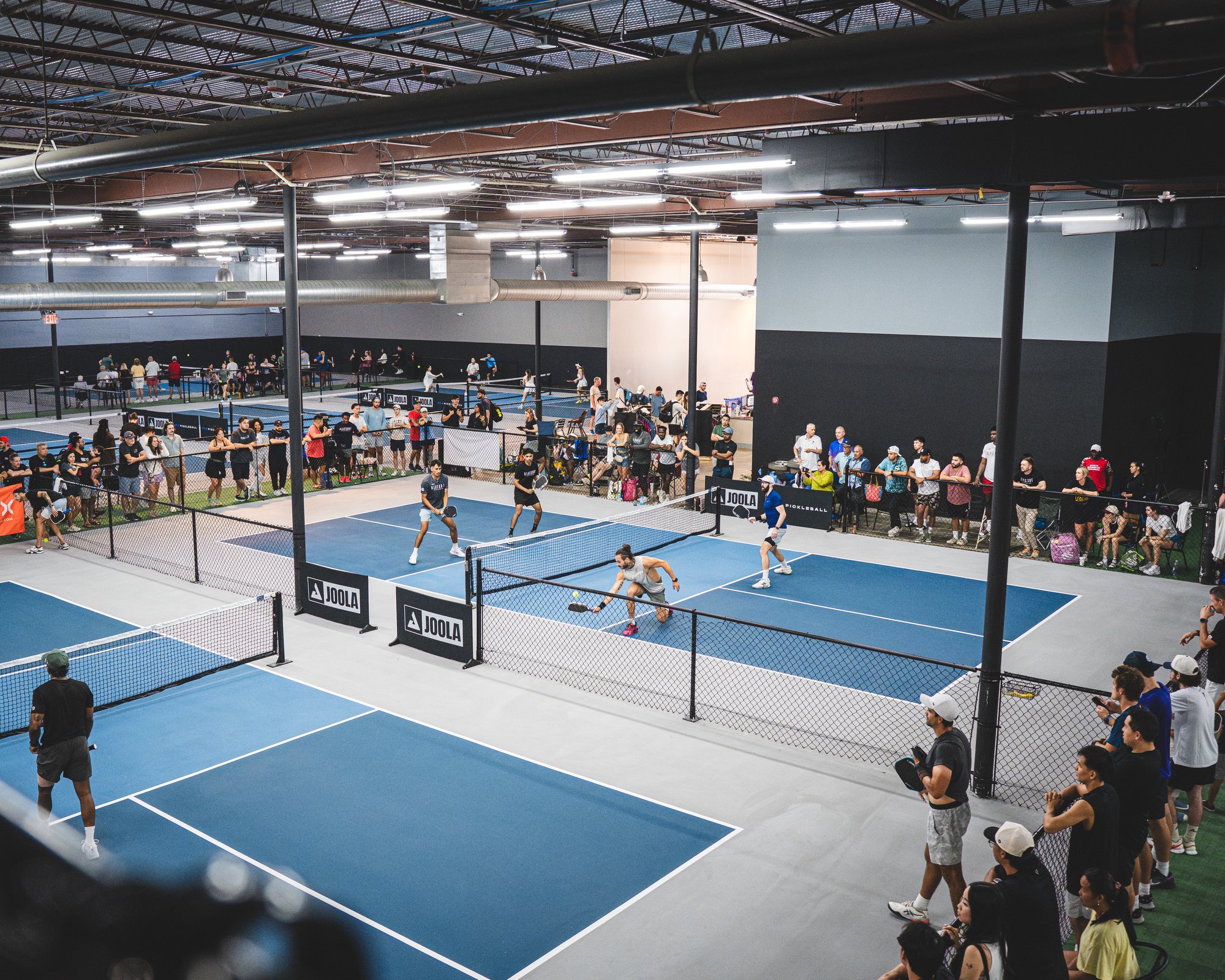
Ari, a doubles player with a background in tennis, carried a particular blend of pressure and poise. The challenge with Ari was not raw speed but the speed of his decision-making, especially when both partners volleyed and the court narrowed. The coaching arc for Ari emphasized the cognitive load of doubles play—reading the opponent’s positioning, the pace of the dink game, and the subtle choreography with his partner at the net.
What mattered most was a shift from reactive instincts to a prepared framework for how to move and where to position the paddle during a rally. We introduced a mapped sequence for court coverage that married anticipation with communication. Ari learned to vocalize a simple, consistent set of signals with his partner, a habit that reduced miscommunication during crucial points. The result was a court that felt less like a scramble and more like a coordinated unit with a shared tempo.
Within the hierarchy of this coaching approach, Ari found value in drills that stress the soft touch of the dink while maintaining the ability to shift to a aggressive drive when the window opened. It was not about eliminating hesitation but converting it into a deliberate, productive pause. The emphasis on situational awareness—recognizing the common patterns of this website opponents who push the pace at the kitchen line, for example—made a tangible difference. Ari could slow the tempo when necessary and accelerate it at moments that counted, a combination that preserved energy and extended rally life.
The throughline across these case studies is not a single technique but a philosophy of coaching that respects the player’s history and their game’s unique architecture. Era Pickleball training does not hand out a one-size-fits-all plan; it builds a scaffolding that remains adaptable as a player grows, encounters new opponents, and shifts their role on the court.
A pragmatic framework for players who want to apply these ideas
The stories above share a core logic that can be translated into practical steps for players who are looking to upgrade their training routine without turning the game into a laboratory exercise. The following principles come from years of observing successful transitions from practice to competition on pickleball courts.
First, emphasize decision-making under pressure. Too many drills focus on technique in a vacuum, but the value emerges when that technique can be deployed when it matters most. Second, cultivate recovery habits that stop you from losing momentum after a shot. Tiny positional adjustments can shave seconds off your recovery time, and those seconds can define the difference between a forced error and a clean reset. Third, align your practice with match rhythm. If the contest tends to speed up toward the end, your drills should mirror that tempo, so your nervous system learns to stay precise even as adrenaline spikes.
Fourth, anchor your learning in feedback that matters. The feedback loop should connect the shot outcome to the movement that produced it, and then to the court position that followed. Without this chain, you end up chasing small mechanical gains that don’t translate when the scoreboard matters. Fifth, recognize edge cases and plan for them. The best players are not immune to off days, but they do have a set of fallback strategies that preserve performance when the usual plan misfires.
Two curated lists provide a compact reference for players who want to internalize the coaching philosophy without getting mired in complexity. The first list highlights core coaching themes that recur across the best players’ journeys. The second list flags common pitfalls that can derail even promising sessions.
Core coaching themes to internalize
- Anticipation over reaction: learn to read the court and your opponent’s intent before contact.
- Controlled recovery: small, precise steps that restore balance quickly after each shot.
- Purposeful practice: drills with explicit, observable outcomes tied to real-match situations.
- Cohesive doubles communication: simple signals and shared tempo with your partner.
- Decision-making under pressure: a repeatable process that stays consistent as pace rises.
Common pitfalls to avoid
- Overemphasizing power at the expense of placement and angle.
- Treating drills as standalone instead of components of match strategy.
- Ignoring recovery mechanics in favor of aggressive shot-making.
- Underestimating the value of feedback loops and reflective practice.
- Relying on memorized patterns instead of adaptable options.
The practical takeaway for any player who wants to explore era pickleball coaching through their own lens is simple: make your practice plan readable and repeatable, and always tie it back to what happens on the scoreboard. The real test is not the elegance of a single shot but the consistency of outcomes across a range of scenarios.
A closer look at the training ecosystem
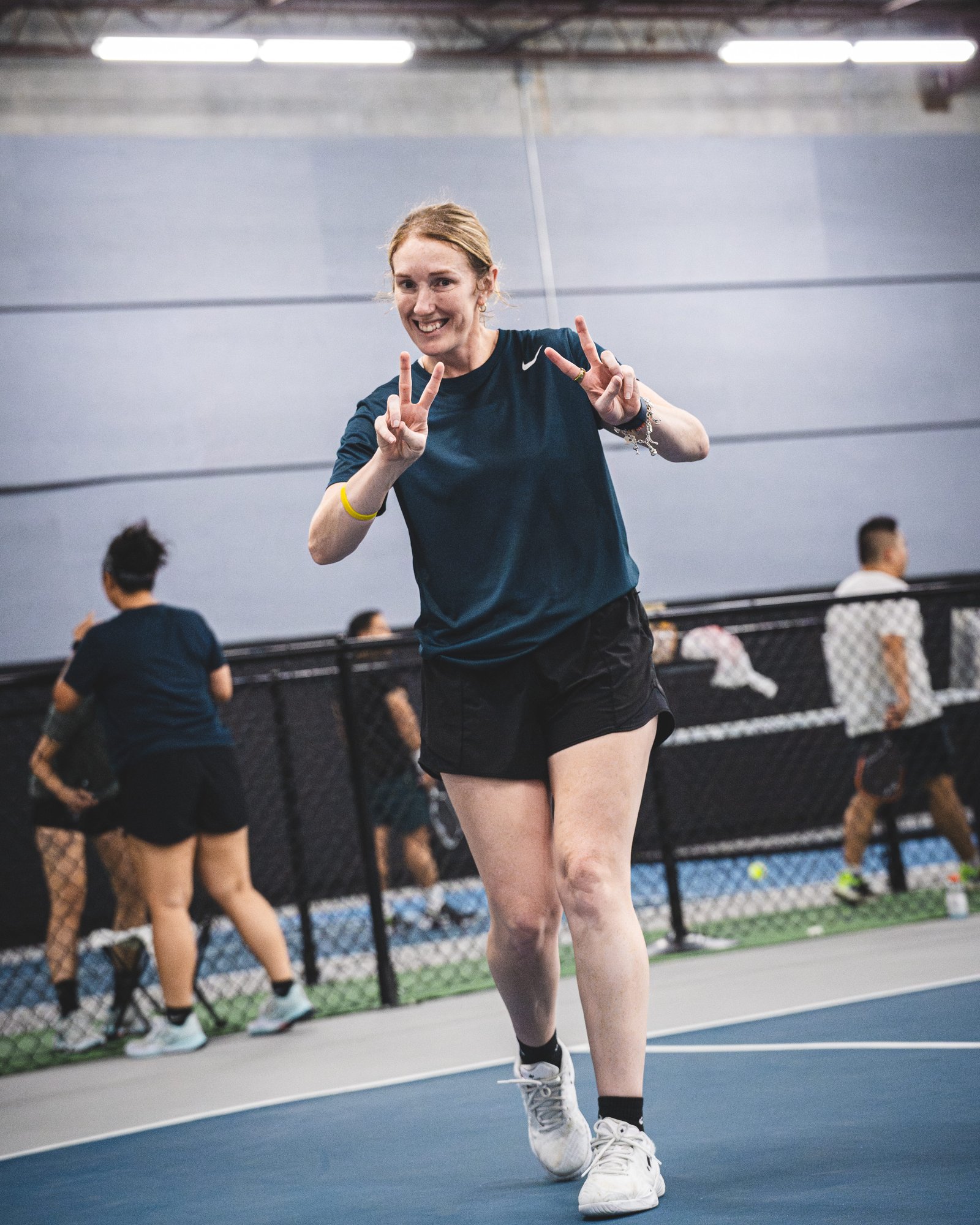
Era Pickleball pickleball classes are designed to be iterative, not repetitive. The coaching environment aims to create a safe space for experimentation while providing clear guardrails. A good example is the progression from foundational movement to advanced tactical options. In the early stages, players focus on contact quality and balance, mastering a consistent paddle face at contact. The bird’s-eye view of this progression is to earn a reliable, repeatable stroke across all shots.
As players demonstrate readiness, the curriculum introduces more nuanced tactical layers. Dinking patterns at the net become less about relentless pace and more about tempo control, angle creation, and opponent misdirection. The emphasis shifts from raw accuracy to smart pressure, where placement and misdirection lead to easier points rather than heroic winners that risk unforced errors. It is this delicate balance—between aggression and restraint—that often separates players who improve steadily from those who plateau.
For doubles teams, the coaching model magnifies the importance of coordinated effort. The court becomes a shared space where decisions are harmonized rather than contested. When one player steps in to poach, the partner’s response must be predictable and supportive. The coaching conversations around doubles strategy frequently revolve around the psychology of teamwork: how to maintain calm under pressure, how to call for a ball when it matters most, and how to exploit space without creating a vacuum that invites unnecessary risk.
In practice, era pickleball coaching blends drills with live play, but never in a way that sacrifices clarity. A typical practice plan might begin with a short dynamic warm-up focusing on footwork and stability. Then a drill block targets a specific skill—perhaps a transition shot from the baseline to the kitchen line. After a quick review, players switch to live play that requires the same skill to be deployed in a more unpredictable context. The coach observes, notes, and then the cycle repeats with adjustments based on feedback and performance. The result is a learning loop that remains tight and responsive rather than sprawling into a sea of scattered drills.
The real-world texture of coaching
One understated quality behind successful coaching is patience. The most meaningful gains often arrive gradually, with subtle shifts in posture, timing, or decision speed becoming visible only after a handful of practice cycles. A player may not feel a dramatic difference in the first few weeks, but the bench marks accumulate: better balance during late rallies, quicker resets after aggressive returns, smarter shot selection in pressure points. The slow burn of improvement is not glamorous, but it is durable.
Coaches who operate within era pickleball classes understand that every player carries a different relationship with risk. Some prefer a conservative course that minimizes error, while others lean toward bold, decisive play that invites more variability. A seasoned coach adapts to that temperament, calibrating the challenge level and choosing drills that entice the player to push boundaries without shattering confidence. This balance between challenge and support is what keeps players engaged and progressing, particularly in transitional periods when form feels brittle and the right adjustments are hard to pin down.
The role of feedback is worth underscoring. Feedback at this level is not about shaming or highlighting a single error. It is a collaborative conversation aimed at reframing a movement pattern and reducing friction in the next rally. It often unfolds in three steps: the observation, the hypothesis about why a movement pattern exists, and a practical modification that tests the hypothesis in the next drill. In the best sessions, this becomes a quick, almost tactile ritual that players adopt as part of their own practice.
Edge cases and adaptation
No single coaching approach covers every scenario on a pickleball court. Edge cases abound: a net server with an unusual slice, a left-handed opponent who challenges your usual angles, or a partner whose preferred role shifts from session to session. The hallmark of a robust coaching system lies in how it handles these deviations. A well-constructed plan anticipates variability and includes contingency drills—alternatives that can be deployed without losing the thread of the session.
For example, when a player relies heavily on a certain type of dink to control the net, the edge case might be a defensive return that requires a different response. The coach can present a brief, flexible drill that broadens the player’s toolkit without overloading the session with changes. Over time, that approach yields a more resilient game, one that can adjust to different opponents, different court dimensions, and even the psychological pressures of a crucial match.
The personal narrative of coaching
One of the most satisfying aspects of era pickleball coaching is listening to players articulate their own improvements in their own terms. It is not uncommon to hear someone describe a moment when a previously prohibitive fear around the kitchen line becomes a factor of control rather than a limit. It is equally common to watch a player recount a moment when they disarmed an aggressive net rusher not with raw speed but with a quiet, deliberate placement that sent the rally down a lane they anticipated.
In such moments, coaching ceases to be a set of rules and becomes a conversation about what the game asks of a person in that moment. Players learn to read their own bodies, to modulate their energy, and to trust a decision even when it costs them a point in the short term. As with all skilled crafts, the process is iterative, with each practice surface teaching something new about timing, balance, and strategic intent.
The value proposition of era pickleball coaching extends beyond the individual. When players bring these refined habits into a club or league setting, they raise the overall level of play. The shared vocabulary becomes contagious, the emphasis on smart play rather than brute force spreads, and the culture around training shifts toward a more thoughtful, durable form of competition. It is in this wider ripple effect that the true impact of a coaching philosophy reveals itself over seasons rather than moments.
Closing thoughts without the finality
Seasoned players who engage with coaching that foregrounds decision quality, recovery mechanics, and match-aware practice will notice a few common threads: improvements in consistency, greater confidence under pressure, and a more nuanced understanding of what makes a rally end in one side’s favor. The stories in these pages reflect not just technical tweaks but a shift in how players approach the game at large. They show that meaningful growth in pickleball comes from the daily discipline of practice, the humility to adjust when something fails, and the courage to test new ideas on court where it counts.
Era Pickleball pickleball training demands a certain courage from players: the willingness to redefine what they know about their own limits, and the patience to measure progress in small, persistent increments. It also asks for a coach who can translate raw potential into repeatable outcomes, a presence that offers clear feedback while honoring a player’s pace. The balance between those two roles – guide and listener – is what makes the coaching experience here feel less like a program and more like a partnership in the lifelong craft of improvement.
If you are exploring pickleball coaching through Era Pickleball, you will likely find a practice that respects your backstory while inviting you to write a sharper, more deliberate future on the court. The aim is not to turn every session into a dramatic breakthrough but to ensure that each practice compounds into a steadier game, a steadier mindset, and a steadier path toward the kind of performance you want when a complex point unfolds under the glare of competition. The journey is long, and the court is wide, but with patient guidance and careful, context-rich training, the trajectory becomes not only feasible but compelling.