Era Pickleball: Choosing the Right Indoor Court for You
@ricardoqyhs913
September 30, 2026 · 15 min read
When you walk into an Era Pickleball facility, the first impression often isn’t about the walls or the color of the courts. It’s about a subtle blend of lighting, surface feel, ambient noise, and the rhythms of play that tell you this is a place where your game will improve. I’ve spent more than a decade bouncing between gym floors, clubhouses, and dedicated pickleball centers, watching players shift from tentative to confident simply by being in the right space. The right indoor court can be a catalyst for better reads on balls, steadier serves, and more consistent dinks in the kitchen. The wrong one, on the other hand, can drain your energy, throw off your timing, and make every rally feel like a grind.
The evolving landscape of indoor pickleballspaces, especially under banners like Era Pickleball, has given players more options than ever. You can choose a facility near you with confidence if you understand a few practical realities: how the space is laid out, what kind of court surface is used, the quality of lighting, the climate controls, and the culture of the place. This article walks you through the decision process with real-world experience, practical benchmarks, and concrete guidance you can apply this week.
A practical frame for choosing the right indoor court begins with your goals. Are you chasing consistency for weekly drop-ins, or aiming for a dedicated training alley that supports higher ball speeds and tighter shot precision? Are you evaluating a facility for a pickleball club where you’ll play multiple times a week, or a place to book occasional open-play sessions with friends? The answers shape what matters most, and they determine how you weight a facility’s layout, its equipment, and its overall vibe.
The first thing I learned early on is that the court surface is not just about grip or speed. It is about how the surface translates your energy into a ball response and how that response aligns with your style. Some surfaces feel lively, rewarding quick footwork with a crisp bounce. Others feel flatter, more predictable, which can be a blessing for beginners but a hindrance for players who spin the ball or drill the ball into the lower right corner with a heavy backhand. At Era Pickleball facilities, you’ll often see a careful balance: durable, safe courts that maintain consistent bounce and a texture that’s forgiving without compromising speed. The texture interacts with your shoes, your footwork, and your timing. It is not an isolated feature; it can redefine the cadence of your practice.
Lighting is another underappreciated factor. The best indoor courts feel bright enough to pick up the ball instantly at contact, but not so harsh that it blinds you as you chase a fast dink or a cross-court drive. Good lighting reduces eye strain and helps you stay focused through long sessions. In practice, I’ve noticed that the most reliable venues calibrate lighting to minimize glare off the floor and walls while maintaining a color balance that keeps the ball’s white or yellow hue distinct against the paint. When I’m evaluating a facility, I pay attention to how light changes across the court during a drill sequence and whether ceiling lights cast uneven shadows that can deceive a player on a high ball.
Another essential element is the ambiance—how the space feels when you walk in, whether you sense a culture of practice and progression, and if the noise level supports sustained concentration. An arena that doubles as a social hub can be energizing, but only if it leaves room for serious practice. The best Era Pickleball environments I’ve encountered strike a balance: they offer friendly energy during public hours, but when you step onto the court, the focus sharpens. Clear sightlines, well-spaced courts, and a few quiet corners for private coaching or slow practice intervals make a big difference for players at all levels.
If you’re weighing options, you’ll want to assess what you can actually control within the facility. You can adjust your practice plan, but you cannot fix structural issues on a Sunday afternoon. Sound reverberation, for instance, matters. Some indoor courts amplify ball contact noise or court shoes squeaking in a way that becomes fatiguing over a long session. Others hide those sounds behind acoustic panels or strategically placed barriers. A calmer acoustic environment reduces cognitive load, which directly translates to better decision making in match play. In the end, a good indoor court isn’t just about the surface, the lights, or the walls. It’s about how those elements come together to support your learning and your longevity on the court.
If you’re new to Era Pickleball or if you’re transitioning from a different style of venue, you may encounter a few trade-offs that aren’t obvious at first glance. For example, a court that feels exceptionally fast on one day can feel noticeably slower when humidity rises or when the air conditioning cycles into a different mode. The same court can present a slightly different bounce depending on how many players have used it that day, how recently it was cleaned, or whether there’s a routine that pushes the ball into a cleaner seam on the surface. That variability doesn’t automatically mean the court is bad; it means you’ll want to adapt your expectations and perhaps adjust your practice drills to accommodate small changes. The best players learn to identify the cues that tell them when the ball will carry a little faster or a little slower and then they adjust their contact point accordingly.
The social layer matters too. A facility that houses a pickleball club tends to have a lifecycle in the way players approach practice. Newcomers find mentors, and more experienced players find sparring partners who push them to improvise and develop new shots. A robust pickleball club inside an Era Pickleball facility often provides structured opportunities—teacher-led clinics, ladder leagues, and progressive drill sessions—that accelerate learning beyond what a solitary practice can offer. If your goal includes growth and rank improvement, you should seek a space that offers a coherent path: quality coaching, consistent court availability, and a calendar that encourages disciplined progression rather than sporadic, high-energy sessions that burn you out.
A recurring theme I’ve observed in top-tier indoor pickleball venues is the blend of predictable scheduling with flexible access. You want to be able to plan a recurring practice slot to build muscle memory, but you also want the chance to jump into casual play when the mood strikes. Era Pickleball facilities frequently aim for this balance by offering memberships that include access to open play, structured clinics, and member-only socials. If you are weighing a specific facility, consider not just the price of a membership but the way the schedule accommodates both your routine and your appetite for variety. The cost should reflect not only the time you spend on the court but also the value of the coaching, the quality of the courts, and the overall experience you gain.
What follows is a grounded, practical approach to deciding whether a particular indoor Era Pickleball venue is the right fit for you. It’s organized around concrete questions I ask every time I visit a new facility or renew a membership. The aim is to help you make a choice that feels obvious once you walk through the door, not after you’ve booked a dozen courts and spent a month wondering why your timing feels off.
Five questions to ask when evaluating an indoor Era Pickleball court
1) How does the court surface feel under foot, and how consistent is the bounce from court to court? 2) Is the lighting uniform across all courts, and do you notice glare or shadow patterns during dynamic shots? 3) What is the acoustic environment like, and does it support long practice blocks without fatigue? 4) How easy is it to book a court during peak hours, and what does the practice calendar look like for a serious trainee? 5) What coaching and community offerings exist, and how do they align with your growth goals?
If you value the club ecosystem, and you want a place that helps you build a weekly routine, you may also want to consider the second set of criteria that shape the value you receive from Era Pickleball facilities. These involve the practical realities of time, space, and guidance, which often determine progress more than any single drill or news update about the sport.
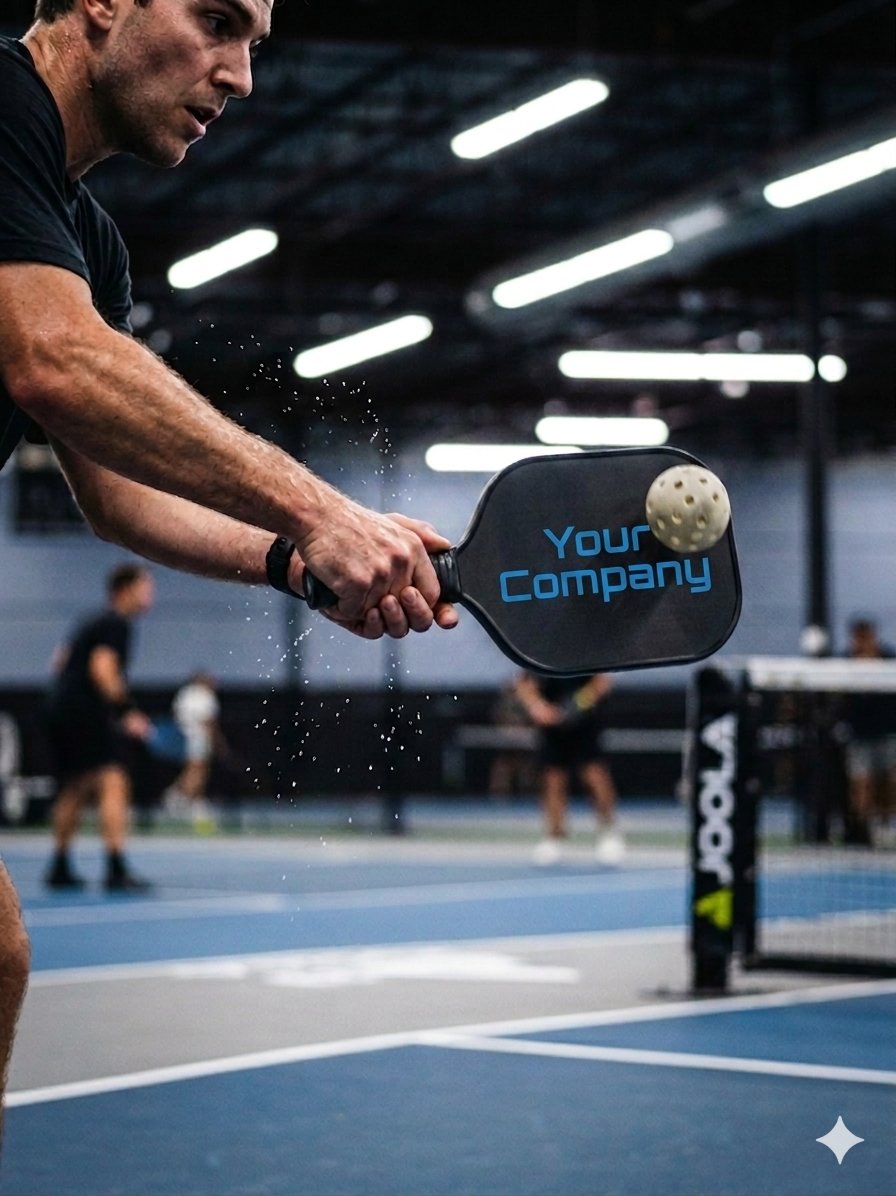
Five features to look for in an Era Pickleball facility
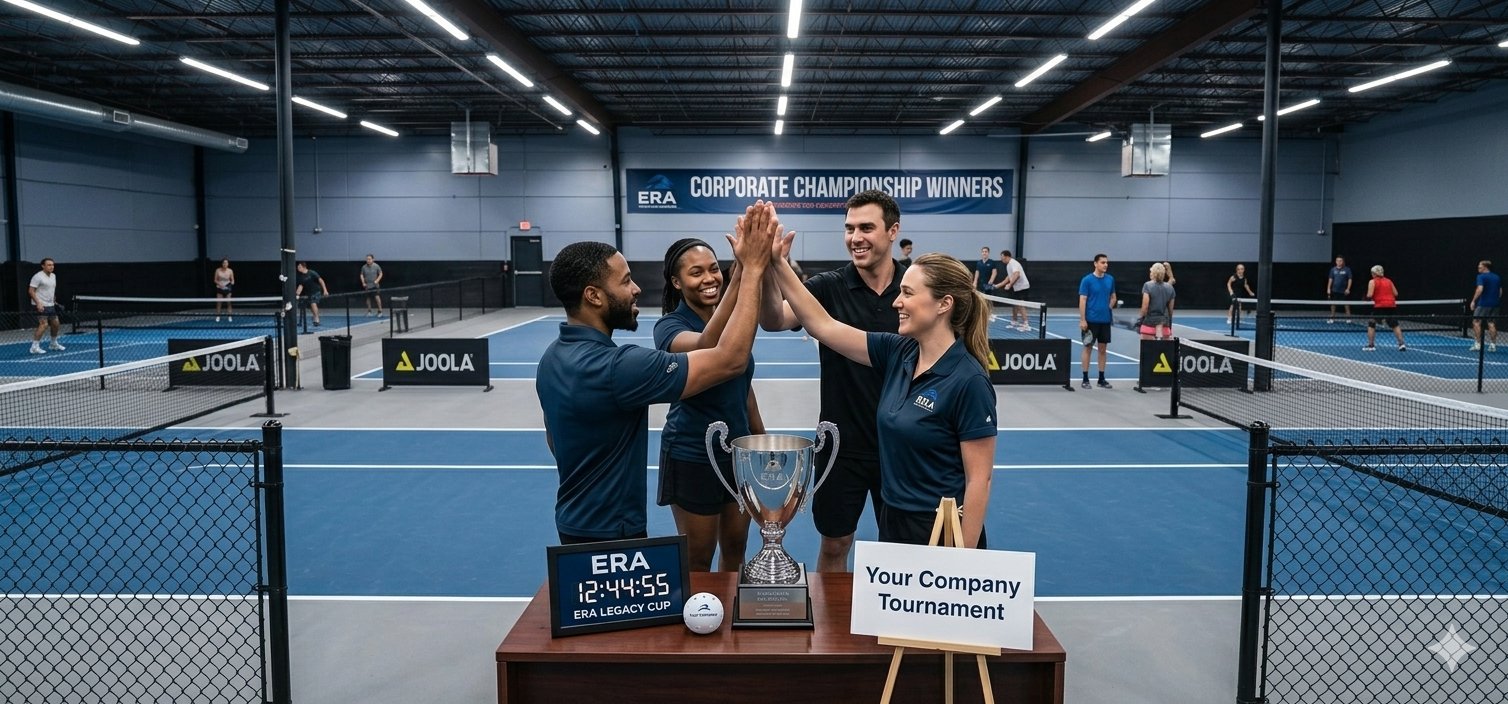
1) A clear court layout with ample space between courts to minimize foot traffic interference during serves and fast exchanges. 2) A floor surface with predictable bounce that remains consistent across sessions and with changes in humidity and temperature. 3) A robust climate control system that maintains comfortable air quality, appropriate humidity, and manageable temperature for extended practice blocks. 4) Reliable equipment availability, including paddles, balls labeled for indoor use, and a convenient check-in process so you aren’t waiting in line when a drill starts. 5) A community framework that supports ongoing development through clinics, leagues, and mentorship, rather than a transient, purely social vibe.
Understanding these factors helps separate a good indoor court from a great one. A space that hits the right notes on all five points tends to produce more consistent practice outcomes, faster learning, and longer habit formation. In my experience, the most successful players treat the court as a tool rather than a backdrop. They study the environment as part of their game and adapt to it with intention.
Of course, every facility has its own identity and its own quirks. Some Era Pickleball centers emphasize a fast-paced style with aggressive ball machines and high-energy instructors; others lean into patient, technique-forward coaching with longer drill sequences. The beauty of choosing the right indoor court is that you can align your pickup sessions with your training goals. If your focus is developing a reliable dink game and you want steady, low-risk progression, a center with calm surfaces, measured drills, and patient coaching may suit you better. If your objective is to sharpen angles and fast reactions under pressure, a livelier court, a more intense coaching style, and a dynamic drill calendar can accelerate your growth.
A practical way to test a facility is to approach it as a two-week trial rather than a one-off visit. Book two or three sessions during different times of the week. Record what changes you notice in your timing, touch, and recovery. Note whether you feel more or less fatigued after two hours of practice and how your brain handles the speed of certain exchanges. If you come away with a sense that the court is kind to your timing but unforgiving to your return shots, you may want to adjust your practice focus toward ball control and placement rather than brute speed. If the shoe fits, wear it; your body will tell you what needs more attention.
In the end, the decision of which indoor Era Pickleball court to call home comes down to a blend of tangible features and intangible feel. It is a mix of the physical environment—surface, light, acoustics, climate control—and the social environment—coaches, fellow players, and the calendar of events. The more attention you pay to both, the faster you’ll move from uncertain starter to confident player.
A note on the wide spectrum of facilities
Not every Era Pickleball location is identical, and that is a strength rather than a weakness of the network. Some centers are built in former warehouses that have been retrofitted with multiple courts and a social lounge; others occupy a purpose-built sports complex that offers a clean, quiet practice room with glass walls for spectators. In larger facilities, you’ll find a broader schedule of club events, potential travel matches for inter-house competitions, and a wider assortment of coaching options. In smaller venues, the emphasis may lean more toward open play, casual clinics, and a close-knit community where you know the other players by name after two or three visits. Both models provide value, depending on what you want from your pickleball journey.
Another practical consideration is access to courts outside business hours. If you are balancing family obligations, a full-time job, or school, the ability to book courts in the early morning or late evening can be a decisive factor. In my own routine, the ability to squeeze in a 6:30 am session before the day’s demands makes a major difference in how consistently I can practice. The best indoor venues understand this and structure their membership and reservation systems to accommodate that rhythm. They may offer a small number of semi-private courts for early birds or maintain a separate lane for after-hours coaching. When you tour a facility, ask not only about peak-hour availability but about the options for off-peak practice that fit your schedule.
The economics of choosing the right indoor court also deserve attention. You will see a range of pricing models, from casual drop-in rates to monthly memberships and annual commitments. The value metric is not just the price per hour. It includes the quality of coaching, the stability of court availability, the frequency of clinics, and the strength of the playing community. If you’re investing in serious improvement, a slightly higher monthly fee might translate into more court time, more high-quality coaching, https://reidkbrl984.clearhavendigest.com/posts/era-pickleball-your-passport-to-local-courts and more structured play opportunities that accelerate progress. If your budget is tighter, you can still find a very good Era Pickleball facility by choosing those with predictable open-play windows and a few targeted clinics each month.
An era of choices, but a straightforward path
As you look ahead to choosing the right indoor court for your needs, you can anchor your decision in a few simple steps. First, visit a few Era Pickleball centers within a reasonable radius. Compare the feel of the courts, the warmth of the reception, and how crowds flow through the space during a typical open-play session. Second, test the harmonies between the surface, the lighting, and your personal timing. Some players find a certain color temperature makes the ball easier to track; others prefer less glossy flooring that reduces glare. Third, sample a clinic or two if possible. A short coaching session can reveal a lot about the facility’s philosophy and the trainer’s approach, which will inform how you structure your own practice schedule going forward. Fourth, consider the long-term trajectory. Do you see yourself enjoying a membership with regular clinics, or is casual play more your speed? The facility that aligns with your anticipated routine will deliver the best return on your time and dollars.
In my own career, I learned to treat a pickleball facility not as a backdrop but as a partner in learning. The most successful sessions tended to follow a pattern: arrive early, warm up with light footwork and cross-court dinks, engage in a short technical drill with a coach, then move into match play that forces you to apply what you practiced. A good facility honors that pattern by offering a steady cadence of clinics and a well-designed schedule that makes it easy to lock in a consistent routine. When I found an Era Pickleball center that offered a reliable mix of these elements, I noticed not only improved shot making but also a greater sense of confidence on court. Confidence, after all, is the quiet engine that keeps you moving through the long sessions and stubborn slumps.
For many players, choosing the right indoor court is about balancing immediacy and longevity. You want the immediate clarity of a ball that sits up nicely on your backhand and the long-term advantage of refining your footwork and court positioning. The right court makes practice feel less like a chore and more like an ongoing conversation with your own technique. Over time, you will find that the environment begins to mold your habits: the way you move your feet before you swing, the way you reset after a fast exchange, and the way you pace your energy to sustain longer rallies. The court becomes a collaborator, not just a surface to hit balls against, and that is the true mark of a great indoor facility.
If you’re reading this and thinking about Era Pickleball options near you, consider how you would answer the questions and check the features with a practical visit. The choice isn’t simply about one good court. It’s about stepping into a place that supports your growth, respects your time, and understands that pickleball, at its best, is both a science and an art. The right indoor court makes the difference between a good week of practice and a month of meaningful progress.
A closing thought from years on the court: the most memorable sessions weren’t the ones where I hit a new speed shot or drilled a perfect drop shot in a game. They were the sessions when the space itself felt like it learned with me, when I walked off the court with a plan that felt both challenging and achievable, and when the next time I walked in, the routine still fit, the rhythm still worked, and my body still remembered how to move with precision and patience. That is what a great Era Pickleball indoor facility offers. It is not merely a place to play; it is a space that helps you become a better player, a better learner, and a more thoughtful competitor.
If you’re in the middle of deciding or re-evaluating your current arrangement, take a breath and map your priorities. Are you chasing a high-energy, club-driven environment that keeps you connected to a broader community of players, or do you want a quieter, more technical setting that prioritizes coaching and consistent practice? Do you value proximity enough to overlook a few minor quirks, or are you willing to drive a little further for a court that feels like it was built with your exact preferences in mind? The answers will guide you toward a choice you won’t regret, one that makes Era Pickleball feel less like a rental and more like a home base for your ongoing pickleball journey.