Era Pickleball: Ace Your Game with Premier pickleball classes at era pickelball? (Note: fix)
@ricardoqyhs913
September 30, 2026 · 14 min read
For players stepping onto the court for the first time and seasoned competitors chasing a sharper edge, the right pickleball coaching can change everything. This piece pulls back the curtain on what makes Era Pickleball more than a training ground and how its pickleball classes translate into real, measurable improvements on the court. It’s not hype. It’s a track record built on coaching philosophy, practice design, and the kind of daily discipline that separates enjoying the game from mastering it.
The first thing you notice when you walk into an Era Pickleball class is the tempo. It isn’t a clinic where everyone stands in line waiting for a turn to swing. It’s a living training environment where drills flow into live play and feedback lands with immediacy. The coaching staff treats pickleball as a sport with layers rather than a set of single moves. Your stroke mechanics, your footwork, your decision making under pressure, and your ability to recover after a misstep all come under review in a cohesive framework. That alignment matters, because the sport rewards integrated improvement more than any single, spectacular shot.
If you’re evaluating options for pickleball classes, you’ll want to know how Era Pickleball builds a path from fundamentals to competition readiness. You’ll want to understand not just the drills you’ll run, but how those drills mirror the rhythm of a true match. You’ll want to hear about the investment in coaching judgment, the data that tracks progress, and the way feedback lands in the moment and sticks afterward. This article offers a clear look at what makes Era Pickleball unique, how the coaching approach translates to practical gains, and how you can decide if their pickleball training is the right match for your goals.
A practical starting point is the environment. Era Pickleball pins its focus on skill development within a context that respects both the individual learner and the team nature of doubles play. The first sessions often involve establishing baseline movement patterns, then gradually layering in tactical choices that hinge on your position at net or in transition. You’ll hear the same message echoed across multiple coaches: precision beats power when it comes to placement, and placement beats speed when the aim is consistency. That philosophy permeates the entire program, from your serve and return to the angles you take at the kitchen line and the way you handle pressure at the net.
The coaching staff at Era Pickleball is a blend of former players who understand what it takes to win and teachers who grasp how to translate complex motions into repeatable habits. The best clinics blend technical correction with strategic variation. You’ll see players who arrive with a strong backhand or a reliable drive but who still struggle with transitions or decision making under fast ball speeds. The program is designed to catch those edge cases, to map out the moment when a common error becomes a losing pattern, and to replace it with a sequence your body can reproduce in practice and in a match.
A typical Era Pickleball class begins with a brief warm up that doesn’t feel arbitrary. You’ll stretch into movement patterns that mimic real rallies, with attention to hip rotation, knee flexion, and shoulder alignment. The warm up folds into low-intensity drills that emphasize footwork and balance. The pacing is deliberate. You feel the clock ticking, but the tempo is friendly rather than punitive. The coaches aren’t chasing a perfect stroke at the expense of the learner’s confidence. They’re chasing a practical, repeatable action that holds up under pressure and a set of decisions that stay clean when the rally tightens.
The technical instruction is crisp, but it’s not delivered as a monologue. Era Pickleball classes emphasize dialogue. You’re expected to try, feel, and adjust in real time. If a drill targets your forehand volley, you’ll receive feedback about grip pressure, stance width, and the alignment of your paddle face. The coach will invite you to make small, measurable adjustments rather than forcing a dramatic overhaul. The result is a learning arc that respects your current capabilities while pointing you toward the next milestone. That approach matters because improvement in pickleball, perhaps more than in any other sport, is about incremental gains that compound.
The training philosophy extends beyond technique. There is a clear emphasis on shot selection, court positioning, and the mental discipline that helps you stay calm when the rally climbs in intensity. Era Pickleball coaching often includes short moment-to-moment decisions that you’ll see echoed in match play. For example, you might work on whether to attack a weak return immediately or to reset the rally and gain a better position first. These micro-decisions are the difference between winning a point and letting it slip away. You learn to read the opponent’s tendencies, to anticipate their options, and to respond with a plan that feels natural rather than forced.
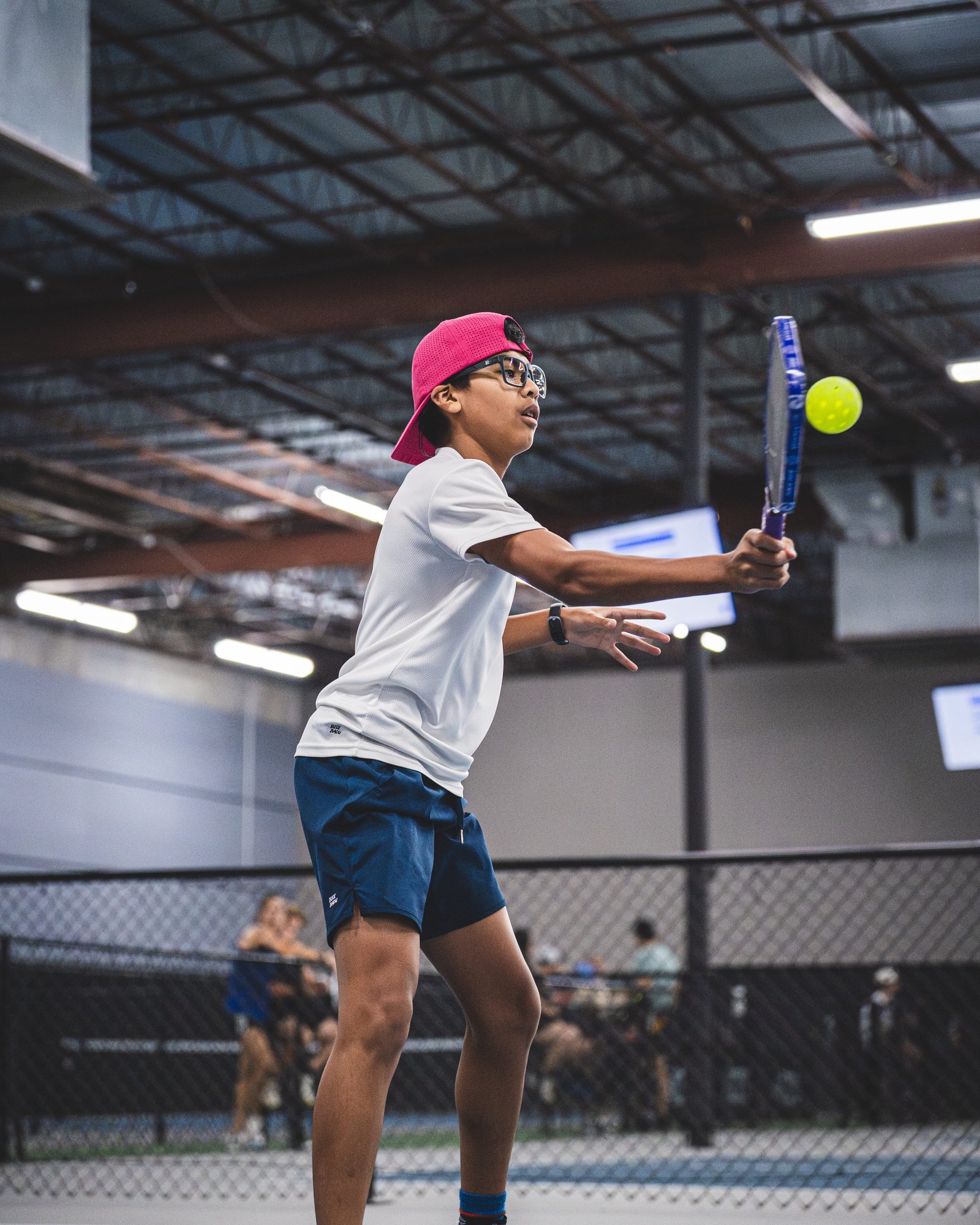
If you are curious about the structure of a typical training cycle, you’ll find a rhythm that fits both newcomers and experienced players. The initial weeks tend to focus on reliable execution and consistency. You’ll drill the basics until your movements are economical and your errors are minimized. Then the program grows to incorporate more advanced patterns: third-ball opportunities, controlled aggression at the non-volley line, and the art of speed control when the opponent shifts from defense to offense. The progression is designed to avoid plateaus by layering complexity and returning to fundamentals whenever necessary. It’s a thoughtful balance between skill development and strategic familiarity.
Beyond the drills and the coaching philosophy, Era Pickleball stands out for its attention to practice design. The workouts are not random. Each session builds a bridge from what you practiced last time to what you’ll face in a match. You can expect sets that emulate real exchanges with a focus on minimizing unforced errors. The drills encourage you to play with intention, not merely to swing with power. You’ll notice how the coaches actively help you translate gained kinetic energy into controlled placement and dependable pace rather than just raw speed.
The program’s emphasis on doubles is another compelling feature. Even if you primarily play singles, the doubles mindset sharpens your court sense and your ability to read your partner’s movements. The communication rituals you learn—signals about shot selection, supportive positioning, and quick alignment after a crossing shot—carry over into every level of competition. The gym floor becomes a microcosm of the court, where you practice not only the mechanics of a stroke but the etiquette, timing, and resilience required to sustain a long rally.
For players who crave data, Era Pickleball offers feedback loops that translate performance into tangible metrics. It’s not all feel and observation; there are objective cues that help you track improvement. You’ll see how your rally length improves, how your error rate declines on specific shots, and how your reaction time changes after a few weeks of focused training. The data helps you understand where you should invest your practice hours and what adjustments are most likely to pay off in higher levels of play. The combination of qualitative feedback from coaches and quantitative indicators creates a robust map of your progress.
The real-world payoff of a robust pickleball training program is easy to underestimate when you’re just starting. It’s not simply about winning more points in practice or hitting a few flashier shots. It’s about cultivating a habit, a reliable routine you can reproduce under pressure. It’s about turning a long practice session into a series of small, deliberate actions that become instinctive when stress rises in a match. That is the difference between someone who enjoys the game and someone who wins consistently at tournaments.
Era Pickleball also attends to the social and community aspects of training. You don’t only interact with coaches; you interact with fellow players who push you in constructive ways. The environment tends to attract serious players who value improvement but also enjoy the camaraderie that comes with shared effort. There’s a collective energy that makes a tough drill feel less punishing and more productive. When you leave a session, you’re not just more skilled; you’re part of a learning community that keeps you accountable to your goals.
If you’re weighing whether to sign up, a few practical realities can guide your decision. Location matters, of course, but so does schedule flexibility. Era Pickleball typically offers a range of class times to accommodate different routines, from weekday evenings to weekend sessions. The inclusivity of the coaching staff is another factor. You’ll likely encounter coaches with a variety of styles, which can be a strength, allowing you to experience multiple approaches to the same challenge. This breadth can accelerate your learning by exposing you to complementary perspectives on footwork, shot selection, and court strategy.
Quality coaching often comes with a price tag. In the realm of pickleball training, you’re paying for individualized attention, an organized practice framework, and a track record of helping players sharpen their game. If you compare the cost against the market, you may find Era Pickleball offers a balance between accessibility and value. The longer you stay with the program, the more you are likely to benefit from consistency, reinforcement of good habits, and the ability to measure progress with the input of coaches pickleball courts open near me who know your strengths and where you stall.
For players who fear plateaus or the frustration of progression stalling, Era Pickleball has a practical strategy. The coaching staff tends to rotate certain drills, ensuring your body cannot settle into a fixed pattern of motion. This approach keeps your muscles adapting and your mind engaged. It also helps you avoid injury. When a sport demands repetitive motion, the risk lies in overuse of a single pattern. Rotating drills, contrasting grips, and varying rally types keep the body moving in different ways, distributing load and promoting balanced development.
On the topic of injury prevention, Era Pickleball coaching also emphasizes form and load management. Proper warm ups, deliberate progression of intensity, and attention to recovery are integrated into the program. You’ll learn how to recognize the signals of fatigue before they become a problem. The mentors stress that performance gains and health go hand in hand. It’s a practical, often overlooked truth in competitive paddle sports: you cannot sustain peak performance without respect for the body you rely on.
If you’re considering the right fit for your long-term goals, think about where you want your pickleball game to be in six months, a year, or two years. Do you want to reduce unforced errors, improve your net play, or grow your doubles synergy? Era Pickleball can tailor the focus, but it’s still a partnership. The coaches expect you to bring commitment and readiness to work hard, while you should expect a roadmap that respects your starting point and patiently guides you toward meaningful milestones. The emphasis is not on a miracle cure but on consistent, disciplined practice and honest feedback.
One thing you can count on: the quality of instruction you receive will be purposeful. The coaches do not just show you how to swing; they explain why a particular choice makes sense in the context of a rally. They guide you through the decision tree you face in real matches. If your opponent shifts into a defensive posture, you learn how to adjust your attack to preserve pressure while maintaining control. If your opponent becomes aggressive, you learn how to pivot to safer options without surrendering your advantage. The mental component is not a separate module; it is woven into every drill, every drill down, and every feedback moment after a point.
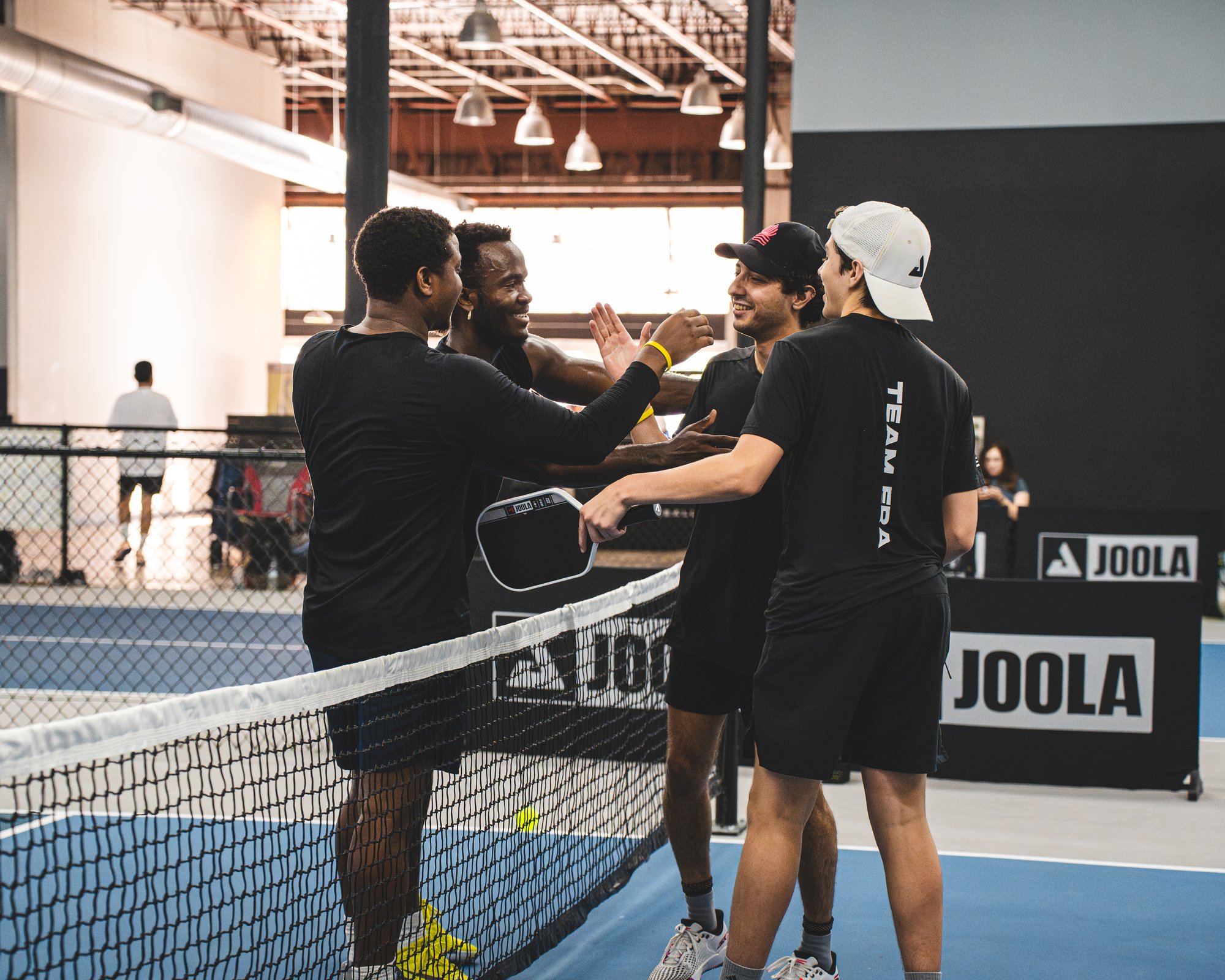
The experience of stepping into era pickelball might feel like a small, almost quiet shift at first. You notice your footwork becoming more efficient, your shots becoming more precise, and your confidence rising as you execute under pressure. The gains may appear incremental, but they add up. Progress is rarely dramatic in a single session; it’s built through repeated exposure to well-designed practice and the steadfast satisfaction of seeing your own improvement accumulate week after week.
As you think about how to approach a trial or a first few weeks with Era Pickleball pick up a few practical tips that align with the coaching philosophy you’ll encounter there. Show up with a clear objective for every drill. It can be something as simple as maintaining consistent depth on your return or as specific as improving your cut on a cross-court dink. Keep a practice journal, even if it’s a small notebook or a note on your phone. Record what felt smooth and what felt off, then compare notes after each session to chart patterns and growth. Bring questions to the end of practice. Coaches appreciate precise inquiries that show you’re paying attention and invested in improvement rather than just going through the motions.
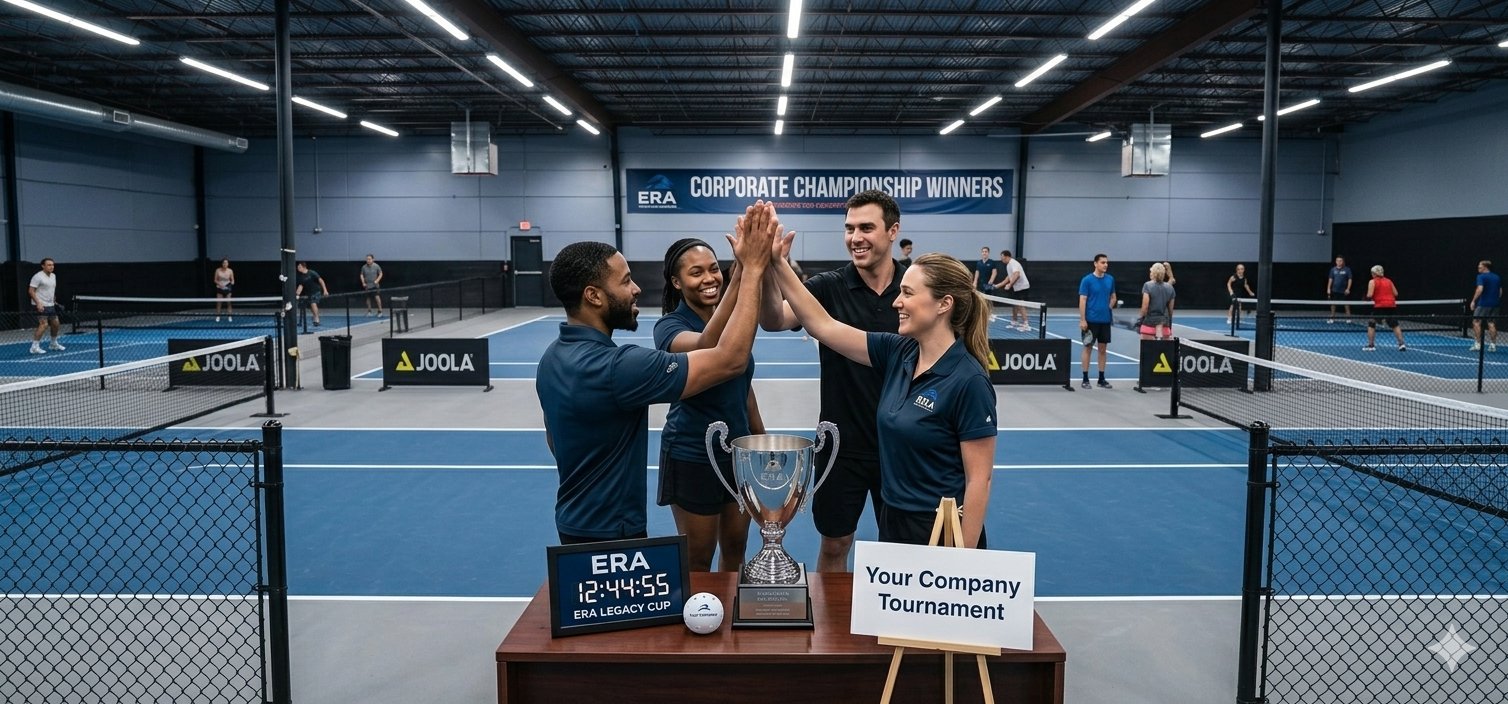
If you’re evaluating three different training programs, you’ll likely run into the same core questions about structure, access, and outcomes. Era Pickleball distinguishes itself through a combination of thoughtful workflow design, trainer expertise, and a culture that emphasizes actionable feedback. The best measure of success, beyond the obvious wins on the scoreboard, is your ability to reproduce improvements in varied contexts: during a long doubles point on a humid court, in a tight quarterfinal, or in a casual social game where pressure is low but your concentration remains high. The transfer of practice to performance is the real test, and Era Pickleball has built a structure that supports that transfer.
As you consider whether Era Pickleball is the right partner for your journey, there are a few concrete signals that the program will align with your goals. If you value a plan that respects your starting point and grows with you, if you want coaching that explains the why behind each move, if you’re seeking a community that challenges you while keeping the atmosphere supportive, then the Era Pickleball approach will likely resonate. It’s about building a toolkit you can rely on under pressure, not just a handful of flashy shots you can pull off in a practice setting.
In the end, choosing a pickleball class or training program is an investment in your future on the court. Era Pickleball offers more than technique; it offers a way to internalize decision making, to stabilize your physical movements, and to develop a disciplined practice routine that yields steady improvement. If you commit to the process, you’ll likely find your game evolving in a way that feels both natural and durable. The court becomes less about guesswork and more about practiced responses that you can trust when the stakes rise.
What follows are two concise snapshots of the practical value you get from Era Pickleball. They aren’t marketing claims, but distilled reminders of what training can deliver when you approach it with intention.
What you gain from a solid training plan
- Improved consistency across shot types, especially on returns and a well-placed drive
- Sharper court awareness that translates into better positioning and fewer errors
- Enhanced doubles chemistry through communication routines and coordinated movement
- Faster adaptation to different opponents through a structured progression of drills
- A reliable framework for practice at home or during open gym sessions, turning technique into habit
What sets Era Pickleball apart
- A coaching cadre that blends performance experience with clear, actionable instruction
- Practice designs that mirror real match rhythms, not just isolated drills
- An emphasis on data-informed feedback paired with tactile, in-session coaching
- A culture of thoughtful progression that minimizes burnout and avoids plateau traps
- A community that values both competition and the joy of learning together
If you take anything away from this, let it be this: the value of pickleball coaching isn’t measured by the most dramatic point you hit in a session. It’s measured by the quiet, cumulative improvements that become your default mode on the court. Era Pickleball aims to cultivate that shift—from sporadic bursts of skill to a steady, reliable game you can trust in practice, in league play, and at the tournaments that matter to you.
To close, a last note on accessibility and long-term engagement. A good training program should feel like a partner, not a gatekeeper. Era Pickleball tends to strike a balance between challenge and support, offering pathways for beginners while still providing growth opportunities for advanced players. The real payoff for many players comes when they realize they are capable of sustaining momentum over weeks and months, not just during a single session. That is where the practice ethic of Era Pickleball shows its true value, in the steady, durable improvement that becomes your game.
If you’re curious about taking the next step, a practical path forward is to sample a class, attend a clinic, or schedule a conversation with a coach who can outline a personalized plan. Bring your current swing, your typical rally patterns, and a clear sense of your long-term targets. The best programs meet you where you are and guide you toward where you want to be, one session at a time. Era Pickleball strives to do exactly that, turning every training hour into a deliberate step toward a more confident, consistent, and competitive you on the court.